Physical Address
Bankura, West Bengal 722142
Physical Address
Bankura, West Bengal 722142

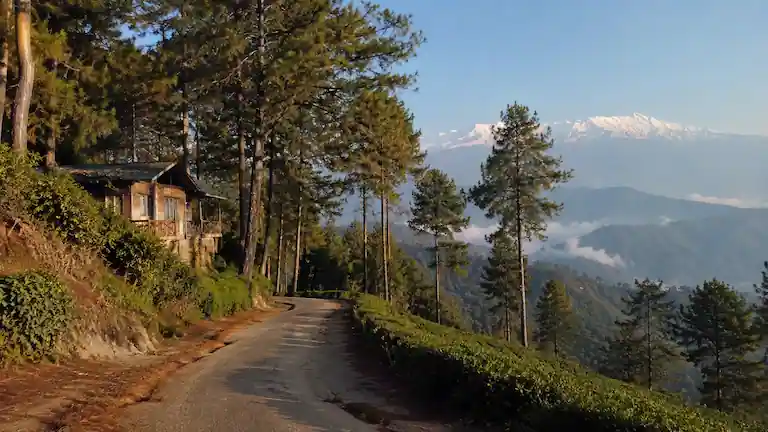
During my recent trip to Darjeeling, I skipped the busy Mirik Bazaar and the crowded lake. Instead, I slept in a quiet wooden cottage in Jimbagaon and found some of the best offbeat places near Mirik. I drove on the peaceful Dudhia-Garidhura road to completely avoid the town traffic. Most travel guides will not tell you this, but just a short drive away from the noise, you will find silent mountain villages, empty tea gardens, and deep forests where your phone will lose its network.
This guide shares 9 hidden places near Mirik, based exactly on my own travel notes. I left out all the useless tourist advice to give you real facts you can trust. Below, I share exact travel times, real taxi prices, true mountain heights, and simple steps to help you plan a peaceful trip away from the crowds.
| Destination | Distance from Mirik | What to Expect | Where You Sleep | Weather & Clothing |
| Bunkulung | 10 km | Farming village with two small rivers | Simple village homes | Warm (Roads get very muddy in July & August) |
| Jimbagaon | 14 km | Pine trees and views of snowy mountains | Eco-friendly wooden cottages | Very Cold (You need a heavy jacket, even in spring) |
| Tabakoshi | 8 km | Tea gardens right next to a river | Cottages by the river | Warm (The sun sets early because it is in a valley) |
| Soureni | 15 km | Large, famous tea estates | Guest houses inside the tea gardens | Mild (Cool and a little foggy) |
| Gopal Fatak | 12 km | Hidden paths near the Nepal border | Very basic, simple rooms | Cold (Chilly and foggy) |
| Rai Dhap | 8 km | Deep, dark forests perfect for seeing birds | Tents or nature camps | Cool (Lots of shade from large trees) |
| Tingling | 5 km | Huge, wide views of the valleys | Good for a day trip or local stays | Mild (Open and breezy) |
| Beltar | 20 km | Walking paths near sweet-smelling tea plants | Local village homes | Mild (Clean air and comfortable) |
| Dilaram | 25 km | Near a forest and a rare mountain lake | Old heritage homes | Very |
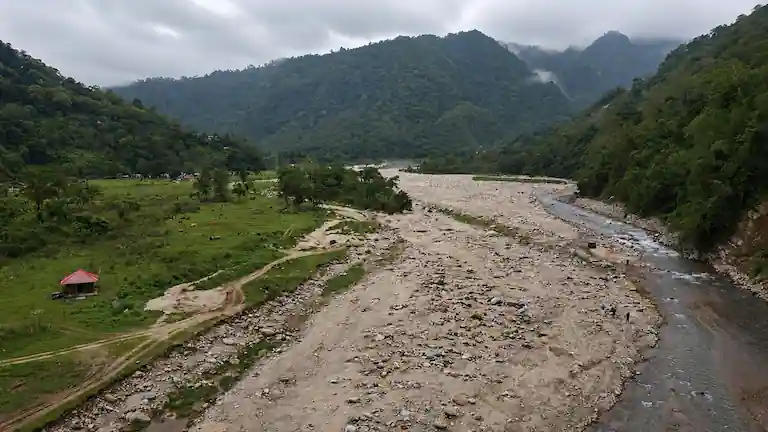
What to Expect: Bunkulung is a very calm and quiet farming village. Two small rivers, the Balason and the Murmah, flow right through it. It is the perfect place to sit by the water or take a slow, easy walk to see the local farms.
What to Eat: Ask your homestay family for fresh river fish. They catch it right from the local rivers and fry it using tasty mountain spices.
My Travel Warning: The roads to this village are very rough and bumpy. A normal city car will easily get stuck. You must hire a large, strong taxi (like a Tata Sumo or Mahindra Bolero) from the main Mirik taxi stand to get there safely.
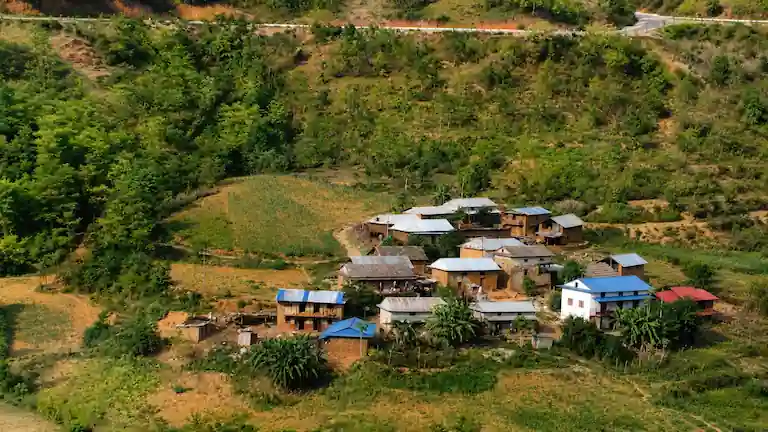
This is where I stayed, and it is the perfect cure for city stress. This tiny, peaceful Lepcha settlement is completely free from commercial tourism.
The Experience: You come here for the absolute silence. In the morning, you get a stunning, clear view of the snow-capped Kanchenjunga range right from your homestay balcony. If you love the quiet pine forests here, you should also check out our Lepchajagat travel guide for a similar offbeat experience.
What to Eat: You must try Gundruk (fermented leafy greens) and traditional pork or chicken cooked with Dalle Khursani (the famous local cherry pepper).
Ground Reality: There are no large hotels here—only a few family-run homestays. You will eat what the family cooks.
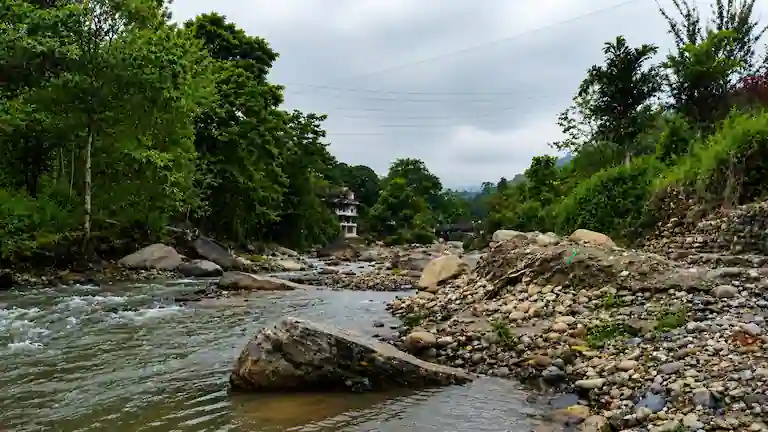
The Experience: The Rangbhang River flows through this valley, cutting directly across the bright green tea bushes. It is a fantastic place for walking. You can visit the local Shiva temple and sit by the river.
What to Eat: Request a traditional authentic Gorkha Thali from your host, complete with local seasonal vegetables.
Ground Reality: Because it is set deep in a valley, sunset happens early as the surrounding hills block the light. Start your outdoor exploring early in the day.
While everyone crowds the Mirik Tea Garden near the lake, Soureni offers a much more authentic and peaceful tea estate experience.
The Experience: Soureni is covered in thick forests and wrapped in premium tea gardens. You can walk for miles on the paved estate roads without seeing another tourist. If you enjoy this style of crowd-free mountain travel, you should also read our breakdown of the best offbeat places near Kalimpong.
What to Eat: Pair your morning garden-fresh tea with local homemade snacks like Sel Roti (a traditional sweet, ring-shaped rice bread).
Ground Reality: It is best to book a stay directly within the tea estate limits. There are no major markets here, so buy your essential medicines before you arrive.
The Experience: The viewpoint offers a beautiful 360-degree view of the rolling tea gardens. However, instead of just taking a photo and leaving, hike down the small village trails to see local homes and tea pluckers at work.
What to Eat: Since this is often a day trip, stop at the small village stalls for a hot bowl of Aloo Thukpa or freshly steamed momos.
Ground Reality: The main viewpoint gets crowded. To get the true offbeat experience, you must physically walk down the village paths.
Rai Dhap is a true hidden gem for nature lovers.
The Experience: This is a very secluded forest spot. The tree cover is incredibly thick, making it a paradise for spotting Himalayan bird species. It is dark, green, and completely isolated.
What to Eat: There are no food stalls here. Have your homestay pack you a simple lunch of local bread, boiled eggs, and Darjeeling tea.
Ground Reality: Bring your own water and food. Do not wander too deep into the forest without a local guide.
What to Expect: Gopal Fatak is a very small village located right on the edge of the India-Nepal border. It is covered by tall pine trees, which makes the village feel moody and misty. The most exciting part is that you can literally walk across the open border into Nepal just to have a cup of tea, and then walk back to India.
What to Eat: The weather here is very cold. Ask your homestay host to make you a hot bowl of Gundruk soup (a local dish made from fermented leafy greens) and spicy country chicken to help you stay warm.
My Travel Warning: The places to sleep here are very simple and basic. There are no fancy hotels. This village is only for travelers who want to enjoy raw nature and do not mind giving up luxury.
Expert Tip: Because you are so close to the border, your phone might connect to a Nepal mobile network. To stop your phone company from charging you high international roaming fees, put your phone on “Airplane Mode” or manually lock it to your Indian network in your phone’s settings.
What to Expect: Even though Beltar is closer to Kurseong, I found it very easy to reach from Mirik. There are no crowded tourist shops here. I spent my time walking on the flat dirt roads through the tea plants and sitting by a quiet river. The air in the village smells just like fresh tea.
What to Eat: There are no restaurant menus here. You eat whatever the local farmers pick from their gardens that day. My host served a simple but delicious home-cooked meal: hot rice, dal (lentil soup), fresh farm vegetables, and a spicy tomato chutney.
My Travel Warning: The road down to Beltar has many sharp, round turns. If you get sick or dizzy in cars easily, make sure to take your motion sickness medicine before your taxi ride begins.
What to Expect: Dilaram is a tiny, quiet village stuck right between thick forests and the famous Margaret’s Hope tea garden. The best thing to do here is the hike down to the Bhanzang Salamander Lake. The dirt path takes you through dense trees and old tea bushes. It is completely silent and feels miles away from the main tourist roads.
What to Eat: The wind gets very cold here. After your hike, sit down for a hot plate of Darjeeling pork momos. You have to eat them with Churpi pickle—a hard, spicy yak milk cheese that the locals make.
My Travel Warning: The lake is famous for the Himalayan salamander, but honestly, they are very rare. Do not expect to see one easily. If you are lucky enough to spot one in the muddy green water, just take a quick photo and do not disturb it.
Before you pack your bags, you need to understand how the weather actually behaves up here. The hills change completely from season to season. From my own drives, here is the honest truth about what you will face in these villages:
| Month | Weather | Visibility | Crowds | Road Condition |
| March – May | Warm (15°C – 20°C). Just bring a light sweater. | Hazy. Spring dust hides the far mountains. | Mirik town is packed, but these villages stay quiet. | Dry, safe, and very easy to drive. |
| June – August | Heavy monsoon rain (20°C – 25°C). | Zero. Thick white fog covers everything. | Completely empty. | Very risky. Expect mudslides and blocked paths. |
| Sept – Nov | Cool and crisp (10°C – 18°C). | Crystal clear. The best time to see Kanchenjunga. | Steady, but not overly crowded. | Smooth. The monsoon rains wash the dirt away. |
| Dec – Feb | Biting cold (2°C – 10°C). Bring heavy thermals. | Perfect. The distant snow peaks look amazing. | Very quiet. Only a few brave travelers come now. | Dry, but dangerous |
Most travel guides tell you where to go, but they do not show you how to plan your day. After visiting these spots myself, I always follow a clear schedule. Here are my exact daily travel plans that you can easily copy:
Here is a tool you can use to map out these exact driving routes and see how long it takes to travel between the villages:
Let’s talk about money. You will not find these village prices on the internet. Here is how much cash you actually need, based on what I paid during my trip.
To reach these hidden villages, you must hire your own private taxi. Shared taxis do not drive this deep into the mountains.
If you and your partner take a taxi from the NJP station and stay for two nights in a village, the whole trip will cost about ₹10,000 to ₹12,000. This pays for your round-trip taxi, your room, and all your food.
When you book a room in places like Jimbagaon or Bunkulung, you are sleeping in a local family’s actual home, not a tourist resort.
These 9 spots are still beautiful because big tourist buses cannot reach them. It is our job to keep them clean.
If you take a taxi from Bagdogra Airport or NJP station to places like Soureni, Tingling, or Bunkulung, tell your driver not to go through the main Mirik Bazaar. Instead, ask them to take the quiet Dudhia-Garidhura road and turn off before you reach the main town. (Note: A new temporary bridge was recently built at Dudhia, so the road is open again). This simple trick saves you at least 45 minutes of heavy traffic.
Real village homestays do not use big hotel websites like MakeMyTrip or Agoda.
Do not pack your bags thinking all of Mirik has the same weather. It changes fast.
Many travelers worry about paying too much for taxis in the hills. Let me save you the stress. To reach these quiet villages from the main Mirik taxi stand, do not hire a small city car. You must book a strong, private vehicle (like a Tata Sumo or Mahindra Bolero) to handle the steep and broken mountain roads.
Here are the fair prices you should expect to pay right now:
| Route from Mirik | Estimated Fare | Notes |
| Mirik to Tabakoshi | ₹1,000 – ₹1,200 (Private) | Cheap shared cabs (₹70-₹100) are very hard to find, but you might get lucky. |
| Mirik to Bunkulung | ₹1,200 – ₹1,500 (Private) | The roads are broken. You need a big car that sits high off the ground. |
| Mirik to Jimbagaon | ₹1,500 – ₹1,800 (Private) | The road goes straight up. Small cars simply cannot make this steep climb. |
| Mirik to Soureni | ₹50 – ₹100 (Shared) | Very easy to find a cheap shared cab because this village is right on the main highway. |
| Mirik to Gopal Fatak | ₹1,200 – ₹1,400 (Private) | The dirt roads near the Nepal border are very bumpy and slow to drive on. |
(My Top Tip: Always agree on the final price before you put your bags inside the car. Also, have your homestay owner’s phone number ready. Many local drivers do not know these hidden houses by name and will need to call them for exact directions. If you are planning a longer road trip across the wider region, be sure to check our complete guide to the best offbeat places in North Bengal for more verified routes and hidden villages.)
From my own trips, Jimbagaon and Rai Dhap are the most untouched spots. Jimbagaon gives you clear views of the snow-covered Kanchenjunga mountain with zero tourist hotels around. Rai Dhap is a deep, silent forest where you can spot rare Himalayan birds.
You do not strictly need a 4×4 jeep, but you must hire a big, strong car that sits high off the ground (like a Tata Sumo or Mahindra Bolero) to reach places like Bunkulung and Jimbagaon. A normal, small city car will get stuck or hit the bottom on the rough, broken rocks.
No. Real village homes do not use big hotel apps like MakeMyTrip or Agoda. To get a room, you have to message the owner directly on WhatsApp. You will usually pay a small booking amount using Google Pay or PhonePe to hold your room.
Be very careful here. If you visit Gopal Fatak, your phone will actually connect to Nepal’s mobile network. To stop your phone company from charging you huge international fees, turn on “Airplane Mode” or choose your Indian network manually in your phone settings.
If two people are traveling together from the NJP train station or Bagdogra airport, expect to spend about ₹10,000 to ₹12,000 in total. This pays for your round-trip private taxi, 2 nights sleeping in a homestay, and all your hot, homemade meals.


