Physical Address
Bankura, West Bengal 722142
Physical Address
Bankura, West Bengal 722142

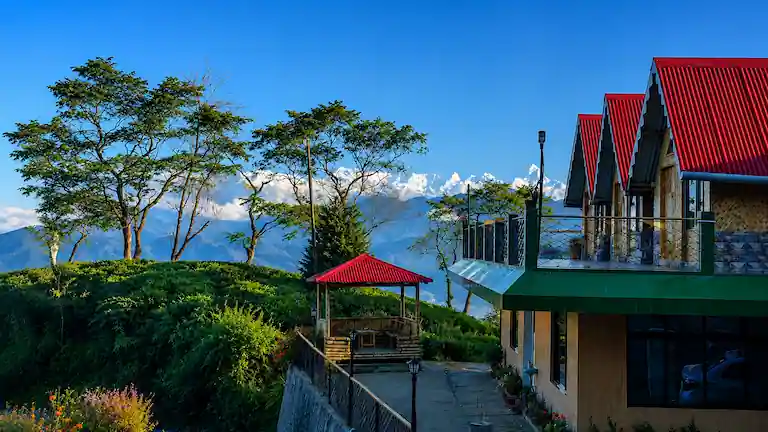
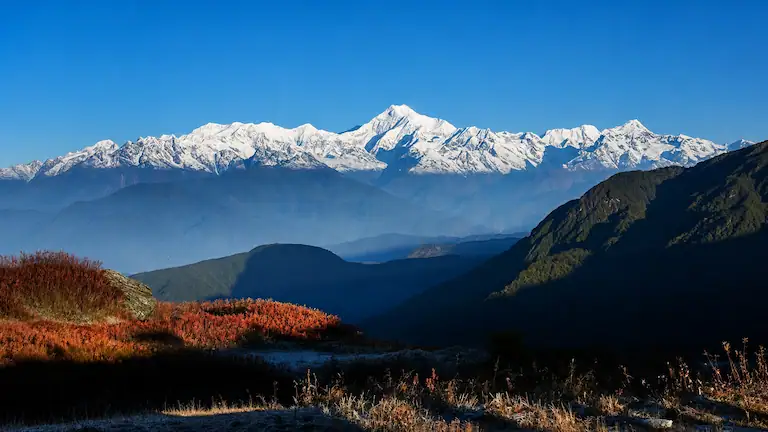
Lepchajagat is a quiet forest village in West Bengal, just 19 km from Darjeeling. It is known for its clear views of Mount Kanchenjunga and peaceful homestays hidden in the pine trees.
Located at a height of 6,956 feet, this village gives you a great, open view of the mountains. Even though busy Darjeeling is only a 45-minute drive away, the thick trees block out all the traffic noise and crowds. If you want a relaxing break to watch the sunrise and sleep in a simple local home, this tiny place is perfect.
When I visited last November, I woke up to freezing cold weather. Standing on a wooden balcony with a hot cup of tea, I watched the sun light up the snowy peaks of Kanchenjunga. I learned one important thing during my stay: the mountains stay clear only until about 9:10 AM. After that, thick clouds move in and completely hide the view.
Insider Travel Tips for First-Time Visitors: Before you visit, keep these three things in mind based on my own experience. First, bring plenty of cash. There are no ATMs in the village, and phone networks are so bad that Google Pay and UPI rarely work. Second, arrive before dark. Thick mountain fog rolls in around 4:00 PM. Because the homestays are hidden inside the trees, finding them at night is very hard. Finally, book your room months ahead. During the busy October and April travel seasons, the government bungalow and the best local homestays sell out completely.
Here is a quick breakdown of the travel details I personally checked during my visit to the village.
| Travel Facts | Essential Details |
|---|---|
| Location | Darjeeling District, West Bengal, India |
| Height (Altitude) | 6,956 feet (2,120 meters) high |
| From Darjeeling Town | 14 to 19 km (about a 45-minute drive) |
| From NJP Station / Bagdogra Airport | 72 to 75 km (about a 3-hour drive up the mountains) |
| Best Time to Go | October to April (for the clearest views of the peaks) |
| Top Things to Do | Walk in the pine forest, watch birds, and see the sunrise |
| Where to Sleep | Simple local homestays or the government forest bungalow |
| The Real Vibe | Very quiet, hidden away, and close to nature |
The name Lepchajagat means “The World of the Lepchas.” Years ago, this whole hill was home to the local Lepcha tribe. Now, the West Bengal Forest Development Corporation (WBFDC) protects the land as an official Reserved Forest.
Since it is a protected zone, you will not find luxury hotels, big malls, or loud street markets here. The area is kept wild on purpose. You just get raw, untouched nature filled with tall oak, pine, and rhododendron trees.
Darjeeling is loud and packed with tourists. You will hear car horns all day long. The mountain views are nice, but tall hotels and thick electrical wires often get in the way. People visit Darjeeling to sleep in big hotels, eat at cafes, shop on the Mall Road, and see the zoo.
Lepchajagat is completely different. It is very quiet and slow. Most of the time, you only hear the wind blowing through the pine trees. The mountain views are wide open with zero wires blocking your photos. Instead of busy hotels, you sleep in simple local homes or the old Forest Bungalow. You spend your days taking long walks in the woods, looking at birds, or reading.
If you want to check out other quiet mountain villages nearby, here is how they match up:
My Advice: Lepchajagat is the best choice. You get clear mountain views without driving on the scary, rough dirt roads you need to reach Chatakpur. It also stays quiet all day long, making it much better than Lamahatta.
Before you pack your bags, here is what the mountain weather actually feels like throughout the year based on my local trips.
Darjeeling’s famous Tiger Hill is beautiful, but it gets packed with huge, noisy crowds. In Lepchajagat, you can enjoy the exact same beautiful mountain views in total peace and quiet.
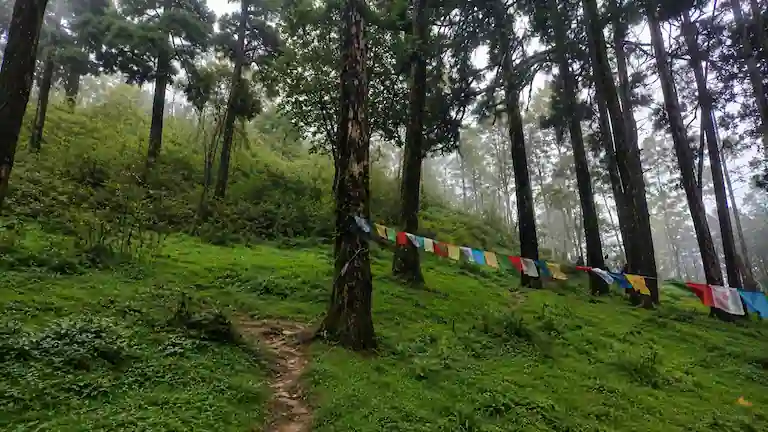
This is a short 1-kilometer walk up the hill directly through the pine trees. I walked this dirt path right after a light rain, and the forest smelled like wet pine leaves and fresh dirt. You just need to pay a small ₹20 entry fee at the gate to head to the top. Hawa Ghar is a simple concrete resting spot that gives you a wide, quiet view of the Kanchenjunga mountain range. Keep an eye out for a hidden hanging bridge deep inside the woods—it is a great spot for taking photos that most people walk past completely.
Located much higher up at 7,900 feet, this is a beautiful 1.5-kilometer walk from the village. Travelers usually wake up at 4:30 AM to catch the famous sunrise from this large stone view-point. During my trip, I shared this massive rock with only a few other people. The silence was absolute, broken only by singing birds and the cold wind. Watching the morning sun light up the snowy mountains and the Balasun River Valley from this spot is something you will never forget.
Getting to Lepchajagat is very easy. The village connects right to the main Ghoom-Mirik road. If you start from Ghoom, the drive is only 8 kilometers and takes just 15 to 20 minutes. From Darjeeling town, the drive is 14 to 19 kilometers and takes about 45 minutes. If you drive up from Mirik, it is a 30-kilometer trip that takes about one hour.
If you take the direct route through Mirik, you will drive from NJP or Bagdogra to Mirik, pass through Sukhiapokhri, and reach Lepchajagat. This route is great because it avoids the heavy highway traffic. It also gives you beautiful views of the Mirik tea gardens. If you are already in Darjeeling, just drive towards Ghoom. Lepchajagat is a quick 15-minute drive from Ghoom on the smooth road to Sukhiapokhri.
Taxi fares are estimates and can change depending on the tourist season. Right now, a small car from NJP or Bagdogra to Lepchajagat costs between ₹2,800 and ₹3,500. A larger SUV or Innova for a family costs ₹4,000 to ₹4,500. A private cab directly from Darjeeling to the village costs between ₹1,500 and ₹2,000. A quick drop from Ghoom will only cost you ₹800 to ₹1,000.
For a great budget trick, take a shared jeep from NJP to Ghoom. This only costs ₹250 to ₹350 per seat. When you reach Ghoom, just hire a short local taxi drop to Lepchajagat.
As a local tip, taxi drivers at NJP might say the Mirik road is “damaged.” They do this to make you take the longer, more expensive Darjeeling highway route. Be firm and tell them you want the Mirik-Sukhiapokhri route. It is a very good road, incredibly beautiful, and much faster.
Since you are staying inside a thick forest reserve, do not expect fast internet. During my stay, I tested the phone signals to see what actually works. Here is the ground reality for your phone:
There are no large markets or medical stores in the village, so packing properly will save your trip. Based on my time on the ground, here is exactly what you need to bring:
You must pack heavy thermal innerwear and thick woolen jackets. The temperature drops very fast after sunset. Standard cotton hoodies will not protect you from the freezing night wind. Bring plenty of physical cash in small notes like ₹100 and ₹500 bills. You will need this cash to pay for your homestay, local taxis, and extra snacks. Online payments almost never work here due to the bad mobile network.
Do not forget a high-capacity power bank. Sudden power cuts are very common during mountain storms. Most local homestays only use basic solar lights for backup when the electricity goes out. Finally, pack a personal medical kit with motion sickness pills for the winding mountain roads, basic painkillers, and bandages.
This old British bungalow sits on the absolute best piece of land in the area. It has large wooden rooms and beautiful old fireplaces. Because it is run by the government, expect simple and friendly service instead of five-star luxury. Rooms usually cost between ₹2,500 and ₹4,000 per night, and you pay for your food separately. You must book your room online at wbfdc.net or call the booking office directly at +91 7604044479.
While walking around, I noticed that the houses built slightly away from the main road are the best choice. They have zero traffic noise and connect right to the forest walking paths. Homestays here charge a flat rate per person for each day. This single price covers your warm bed and all four daily meals.
Budget homestays cost about ₹1,000 to ₹1,200 per person. They give you a simple, clean room with excellent home-cooked food. Standard homestays cost between ₹1,300 and ₹1,800 per person. They offer better mountain views, cozy wooden rooms, and hot water geysers. Some highly-rated places you should check out are Chalet Homestay, Mountain View Bethel Homestay (Phone: 98303 13160), and Sakcham Homestay. You can also safely book good rooms through the Humro Home network by calling 9733071716.
Lepchajagat is made for slow travel, not rushing through a busy sightseeing list. The forest department (WBFDC) keeps up a few beautiful walking paths right inside the reserved forest. Because there is zero city traffic, the air feels completely clean and fresh. During my stay, I found it to be the perfect spot for a quiet, relaxing walk in nature.
If you love bird watching, keep your camera ready. This thick forest is a well-known home for beautiful, rare mountain birds. You can spot the bright Scarlet Minivet, the Fire-Tailed Sunbird, and the Rufous Sibia up in the trees.
For a short and unique hike, ask the locals how to get to Himal Falls. It is a smaller, hidden waterfall, not a giant tourist spot. But the quiet walk through the deep woods to reach the cold, clear water is very peaceful and gives you amazing photos.
At night, the sky looks absolutely amazing because the village has no bright street lights. On a clear winter night, you can easily look up and see the Milky Way glowing right above you. During the day, I highly recommend taking a slow walk down the main road. You will see classic wooden houses covered in bright, colorful flower pots.
Lepchajagat makes a fantastic, quiet base camp for taking short day trips across the region. Just a quick 15-minute drive brings you to Jorpokhri, which sits 5 kilometers away. This hilltop spot at 7,400 feet is named for its “Twin Lakes.” It is a super peaceful area surrounded by tall pine trees, and if you look closely in the water, you might spot the highly rare Himalayan Salamander.
If you drive 10 kilometers toward town, you will find the Ghum Monastery. The ancient Yiga Choeling Monastery is one of the oldest in the area and features a massive, stunning 15-foot clay statue of the Maitreya Buddha inside.
For a unique afternoon, drive 15 kilometers to the Pashupati Market on the Nepal border. Simply show a valid Indian Government ID like a Voter ID or Passport to walk right across into Nepal and shop for cheap, imported winter gear. Finally, you can visit Manebhanjan, a rugged mountain town 11 kilometers away. It is the official starting point for the famous Sandakphu Trek. Even if you are not hiking, it is worth a visit just to see the amazing fleets of old 1950s Land Rovers driving up and down the steep, dangerous dirt roads.
The food here is fresh, warm, and made to help you beat the intense mountain cold. Your homestay will usually serve you large plates of hot rice, dal (lentil soup), fresh local vegetables, and tasty chicken curry.
You can also ask your hosts to make traditional local dishes. For example, you should try Gundruk. This is a warm, sour soup made from dried green leaves that locals drink to stay warm. Another local item is Churpi. This is a very hard cheese made from cow or yak milk that you chew on slowly. Many homestays will also make fresh steamed momos (dumplings) and big bowls of hot Thukpa (noodle soup) if you ask them. Finally, drinking a hot cup of real Darjeeling Tea is a must for your cold mornings and evenings.
| Expense | Estimated Budget |
|---|---|
| NJP Shared Jeep (to Ghoom) | ₹300 |
| Local Taxi (Ghoom to Village) | ₹500 |
| Homestay (1 Night including 4 meals) | ₹1,200 |
| Miscellaneous (Tips, extra snacks) | ₹500 |
| Total | ₹2,500 |
Based on my own trips to this village, this schedule gives you the perfect mix of relaxing and exploring.
Based on my own trip, the biggest mistake is arriving after dark. By late afternoon, the mountain roads get covered in very thick fog. Finding your homestay in the dark is very hard. The small wooden houses are hidden in the trees, and there are no bright street signs to help you find your way.
Another big mistake is forgetting to bring physical cash. Do not think you can just pay for your room, food, or taxi using apps on your phone. The mobile network is very bad and drops all the time. You must get enough paper cash at NJP, Bagdogra, or Darjeeling town before you drive up to the village.
Trying to find a cheap shared jeep from Ghoom late in the afternoon is a bad idea. I saw that almost all shared jeeps stop running by 3:00 PM. If you are late, you will have to pay for a much more expensive private taxi.
Finally, do not expect any normal restaurants. There are zero cafes, restaurants, or food delivery apps working in this village. If you miss the fixed meal times at your homestay, or forget to tell them when you will arrive, your only food will be plain biscuits and chips from the small local shops.
If your perfect trip means waking up early, wrapping yourself in a thick blanket, and watching the sunrise in total silence, you will absolutely love it here. I also found that the fixed homestay prices make planning your budget very easy. You pay one flat rate per day, so you never get surprise food bills at the end of your stay.
However, if you are a traveler who needs modern cafes, busy shops, or nightlife, you will hate this quiet village by 6:00 PM. I must also warn that the steep, bumpy dirt paths are very tough to walk on for older people or anyone who has trouble walking.
Lepchajagat is nothing like a loud, crowded tourist town. During my visit, standing alone on Ghoom Rock at sunrise without hearing a single car horn reminded me exactly why I love the mountains. If you want total peace, giant old trees, and hot, home-cooked food in the cold mountain fog, pack your winter jacket and go.
Yes, absolutely. It is a tiny village, and the local families who run the homestays are very protective. They look out for their guests and treat them like their own family members.
It is very rare. You might see a light dusting of snow during late December or January if it gets freezing cold. But please do not plan your trip just for snow, because you will likely be disappointed.
No. Indian citizens do not need any forest permits to stay here. Just carry a basic government ID (like a Voter ID or Passport) in case you want to visit the Pashupati Market on the Nepal border.
Yes, but with one strict rule: you must book a homestay located right on the main paved road. If you book a house deep inside the village, older family members will struggle to climb the steep, bumpy dirt paths.
One or two nights is plenty. This gives you just enough time to watch the sunrise, walk the forest trails, and relax. Any longer than that, and the complete silence might start to feel a bit boring.
About the Author: I am a travel writer who loves exploring the hidden spots of North Bengal and Darjeeling. I do not write my guides by just reading internet articles or looking at online maps. I personally travel these mountain roads, pay the actual taxi fares, and sleep in the local homestays to check every single detail. My goal is to give you 100% real facts from the ground. This helps you travel safely, plan your budget, and avoid expensive tourist traps.