Physical Address
Bankura, West Bengal 722142
Physical Address
Bankura, West Bengal 722142

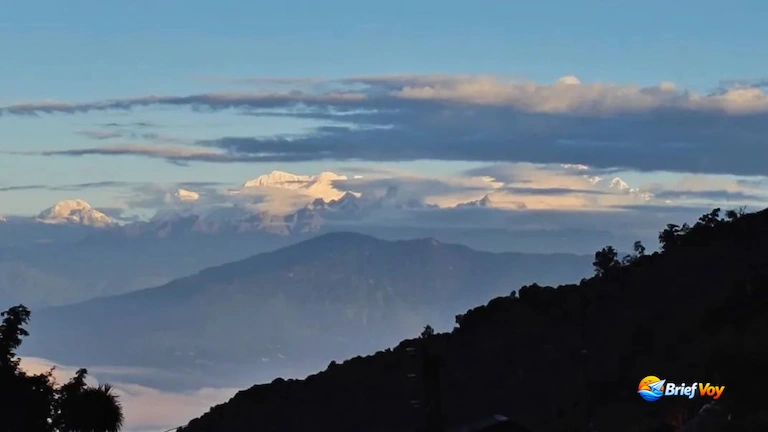
Are you tired of crowded hill stations? Icche Gaon might be the quiet mountain break you need.
Most travel guides just call it a beautiful eco-village and leave it at that. But those picture-perfect summaries skip the hard facts. They do not tell you about the bumpy dirt roads, the fact that there are zero ATMs, or how the daily food plans actually work when you get there.
I travel these routes myself. In this guide, I share the real costs, the exact road conditions, and the train connections based on my own trips. I skip the extra fluff and just give you the plain facts to help you plan out your journey.
| Item | What to Expect |
| Kalimpong to Icche Gaon | 15 to 18 km |
| Rough dirt road | 2.5 km |
| Shared jeep from NJP | ₹300 – ₹350 |
| Homestay price | ₹1,300 – ₹1,500 per person |
| Meals | Included (AP Plan) |
| Mobile network | BSNL works best; Jio/Airtel weak |
| Online payments (UPI) | Mostly fails (bring cash) |
| ATMs | None in the village |
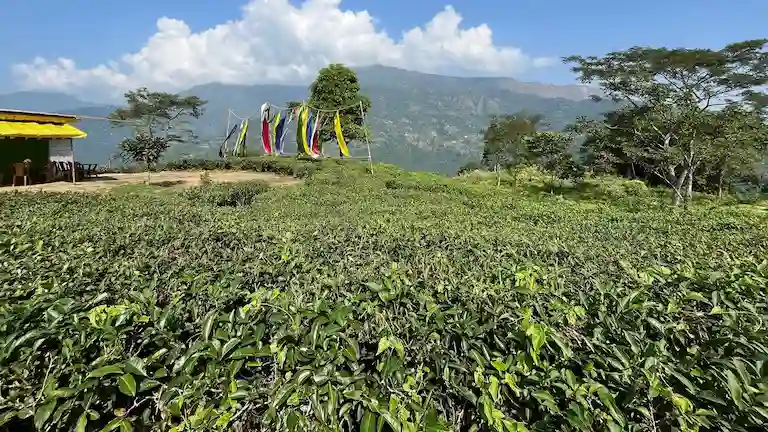
Icche Gaon (sometimes spelled Icchey Gaon) is a tiny eco-village in West Bengal‘s Kalimpong district. It sits at about 5,800 feet above sea level. Dense pine forests and old cinchona plantations surround the whole area.
People travel here mostly to get a clear, wide look at Mount Kanchenjunga. The whole village is very quiet. It brings in hikers, nature fans, and anyone who just needs a break from city noise. If you are looking for fancy hotels, loud markets, or smooth roads, you should probably go somewhere else. Here, you walk on bumpy dirt paths and sleep in simple village houses.
You can’t just book a direct bus from Kolkata and wake up at your homestay. The journey happens in stages.
Check the internet for distances and you will see mixed numbers. One website says NJP is 85 km away. Another tells you it is 90 km. Even Kalimpong shows up as 15 to 18 km away.
The reason is pretty simple. Your total drive really depends on your exact starting point and if your driver takes local shortcuts to beat the traffic. It also matters exactly where your specific homestay is built on the hill. Just keep a rough guess in mind for your trip. Do not rely heavily on one single Google Maps screenshot.
Here is a look at the typical transport costs. Fares fluctuate slightly during peak holiday seasons.
| Starting Point | Destination | Transport Type | Approx. Cost |
| NJP Station | Kalimpong | Shared Sumo/Jeep | ₹300 – ₹350 per seat |
| NJP Station | Kalimpong | Reserved Cab | ₹3,000 – ₹3,500 |
| Kalimpong Motor Stand | Icche Gaon | Reserved Local Cab | ₹1,000 – ₹1,500 |
| Kalimpong Motor Stand | Algarah (Drop) | Shared Jeep | ₹50 – ₹100 per seat |
When you walk out of NJP station, ignore the direct reserved cabs unless you have ₹3,000 to spare. Instead, find the shared sumos and jeeps heading to Kalimpong. The drive normally takes about two and a half to three hours.
Make sure you check if National Highway 10 (NH10) is open before your trip. This is the main route from Siliguri up to Kalimpong.
The 2026 rainy season brought down heavy landslides at Sevoke, 20 Mile, 29 Mile, and Likhubhir. When that happens, the entire road simply closes down until workers can remove all the fallen rocks and thick mud.
The Backup Route: If the local police close NH10 while you are on your way, your driver will have to take a different route. They usually divert through the Gorubathan and Lava road to reach Kalimpong, or sometimes go through Kurseong. It is a beautiful drive, but it adds hours to your trip. Always ask your driver if NH10 is open before you leave NJP.
At the Kalimpong motor stand, you face two choices. You can hire a reserved local cab (like an Alto or WagonR) to drop you near your homestay. To save cash, hop into another shared jeep heading toward Algarah or Pedong. Get down at the Algarah junction. From there, your homestay host can send a local car to pick you up for a small fee.
Taking your own car? The highway from Siliguri to Kalimpong is smooth, but the road gets bad right after you pass the town.
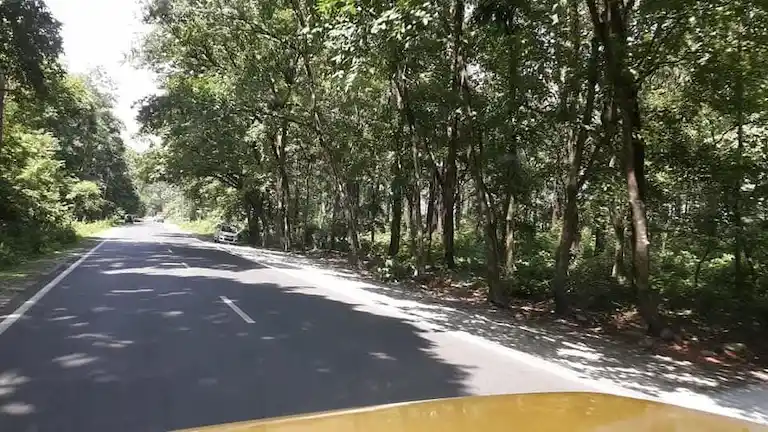
The last stretch into Icche Gaon is very bumpy, especially when it rains. Always call your homestay to check the road condition before driving up in a normal, low-clearance car.
Fuel and Parking Reality: Fill up your tank in Kalimpong. The last big petrol stations, like the Tashi pump near 8.5/9 Mile, are right outside town. Up in the village, parking is extremely tight because the houses sit on steep hills. Most homestays only have room for 2 or 3 cars. You must call your host early to book a spot.
Field note: I drove this last part in a Mahindra Thar. The worst dirt road was about 2.5 km long. My high ground clearance made it easy, but I watched a regular hatchback scrape its bottom hard on the rocks.
You won’t find Oyo rooms or star resorts here. Local families run every stay in the village.
Most homestays here charge a flat daily rate for your bed and food. The exact price changes based on the room, the season, and the size of your group.
Right now, expect to pay between ₹1,200 and ₹1,600 per person, for one night.
Here is a quick look at some current options:
| Homestay Name | Room & Meals | Estimated Price (Per Person) | Verified Contacts |
| Khawas Homestay | Basic Room, All meals | ₹1,300 – ₹1,400 | Current Google: +91 89722 87740 Older Site: +91 80179 17008 |
| Marigold Homestay | View Room, All meals | ₹1,400 – ₹1,500 | Check local directories |
| Humro Home Network | Standard, All meals | ₹1,500+ | +91 9733071716 |
Always call to check the exact price before you book, since mountain phone numbers and rate

When you book the AP plan, the price you pay covers your room and your food for the day. Because every host runs their home a little differently, just make sure to ask if breakfast, lunch, evening tea, and dinner are all included before you send any money.
Here is what a typical meal schedule looks like in the village:
| Meal | Typical Timing | Typical Food Served |
| Bed Tea | Morning | Hot Darjeeling tea |
| Breakfast | Morning | Luchi/puri with sabzi, eggs, or noodles |
| Lunch | Early Afternoon | Rice, dal, fresh vegetables, egg/fish/chicken |
| Evening Snack | Late Afternoon | Tea paired with local pakoras (fritters) |
| Dinner | Evening | Rice or hot rotis with chicken curry |
Rooms are basic but spotless. You get thick winter blankets, attached western toilets, and geysers. When bad weather knocks out the power grid, hosts quickly boil water on the wood fire and deliver hot buckets to your room.
Many rural homestays in Icche Gaon are pet-friendly and will happily let you bring your dog. However, because the village has local mountain dogs and steep un-fenced edges, you must inform your host at the time of booking to ensure they are prepared.
Here is a quick breakdown for a 2-night, 3-day trip starting from NJP. This assumes you share rides to keep your costs down.
| Expense | Details | Estimated Cost |
| Homestay | 2 Nights @ ~₹1,350/night (Includes meals) | ₹2,700 |
| Transit: NJP to Kalimpong | Shared Jeep (Round Trip) | ₹700 |
| Transit: Kalimpong to Icche Gaon | Reserved cab drop (Shared by 2 people) | ₹1,000 |
| Extras | Tips, water bottles, extra snacks | ₹500 |
| Total Budget | Per Person | ~₹4,900 |
Note: If you book private cabs all the way from NJP, expect your total cost to jump to around ₹8,000 to ₹10,000 per person.
Icche Gaon experiences strong seasonal shifts. Your trip vibe changes entirely depending on the month you choose.
Spring brings fresh vegetation and seasonal flowers. Birdwatching becomes particularly appealing for visitors interested in the surrounding forest during this time. Days feel pleasant and nights stay cool. June brings summer warmth and pre-monsoon showers, which can make the mountain views hazy.
Heavy rainfall dominates these months. I strongly advise skipping this season. Landslides frequently block the roads near Teesta Bazar. The dirt forest tracks turn to slush. Most importantly, leeches heavily infest the trekking trails.
October to November is generally the clearest period for mountain views, although conditions vary year to year. The monsoon washes the dust away, leaving sharp blue skies. December to February gets much colder, but offers potentially excellent visibility on clear days. Pack heavy woolens if you visit in winter.
Two nights give you enough time to unwind without rushing. Here is a relaxed way to structure your time.
Aim to reach your homestay by early afternoon. Eat a hot lunch and freshen up. Spend your late afternoon wandering the village slopes. Icche Gaon is so small you can easily walk the terraced steps and chat with locals. Grab a spot facing the valley before evening. Watching the sunset hit the mountains is surreal.
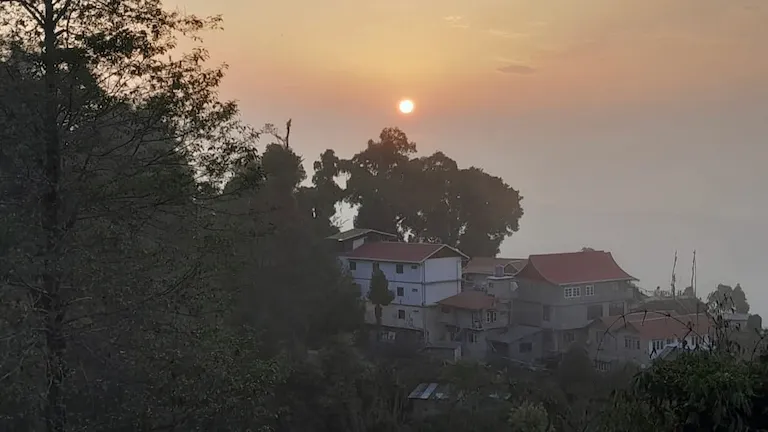
Wake up early for the sunrise. Eat a big breakfast, tie up your walking shoes, and hit the local trails.

Be careful trusting generic travel guides here. Road distance and walking distance differ greatly.
| Route | Mode | Approx. Distance | Approx. Time |
| Icche Gaon → Ramitey Dara | Walk (Trail) | 2.5 km | 1 to 1.5 hours |
| Icche Gaon → Sillery Gaon | Walk (Trail) | 3 km | 1.5 to 2 hours |
| Sillery Gaon → Ramitey Dara | Walk (Trail) | 1.5 km | 45 mins |
Ramitey Dara is up at 6,400 feet. Try to get there between 5:30 AM and 6:00 AM. You will see the morning sun hit the Kanchenjunga mountains perfectly. Look down from the edge, and you get a massive view of the Teesta River. You can actually count 14 different bends as the water twists through the valley.
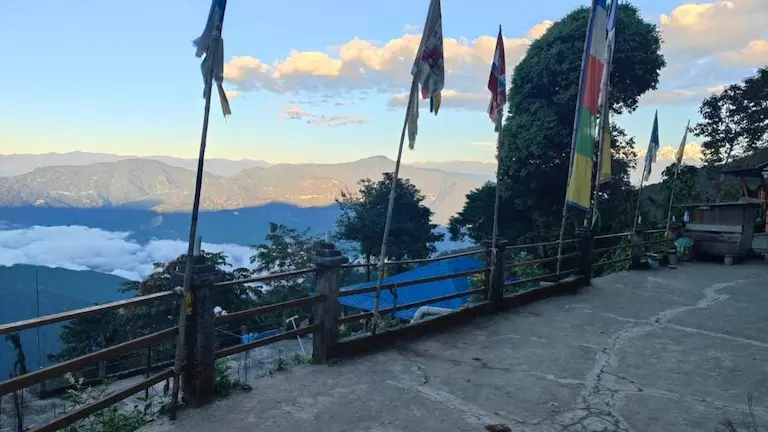
After that, keep walking into the forest to find the Damsang Fort ruins. A Lepcha king named Gyabo Achyok built it in 1690, and it was later used in the Anglo-Bhutan war. There are only a few ruined walls left today, but the walk through the old chestnut trees is still worth your time.
Eat breakfast, pack up, and check out. You can grab a car back down to NJP, or continue your trip deeper into the mountains.
Mountain realities dictate how you travel here. Keep these facts in mind before you pack.
Indian nationals do not need any special permits for Icche Gaon. Unlike areas in North Sikkim, this region is completely open to domestic tourists.
Regarding safety for elderly travelers—it is safe, but very difficult if they have mobility issues. Cars drop you at the village base. Reaching your actual homestay often requires climbing steep, uneven stone stairs.
Your phone signal will drop a lot here, so do not count on UPI apps or mobile data working. Make sure you bring enough physical cash to pay for your room, cab rides, and any extra snacks. There are zero ATMs in the village, so remember to take out all the cash you need before you drive up into the hills.
Network & Payment Field Test:
| Network / Service | Status in Village | Status on Road |
| Jio | Spotty / Weak | Tested (Unreliable) |
| Airtel | Spotty / Weak | Tested (Unreliable) |
| BSNL | Best overall coverage | Tested (Fair) |
| UPI (GPay/PhonePe) | Fails frequently | Fails on forest road |
You won’t find a pharmacy or clinic here. Pack your own first-aid kit. The winding roads cause motion sickness, so bring pills for that. Pack paracetamol, band-aids, and your prescription meds.
Travelers often confuse these two villages since they are right next to each other.
Sillery Gaon is much busier today. It has more homestays, cars, and tour groups. Icche Gaon is deeply quiet and hidden away, while Sillery Gaon has a much better road.
Pick Icche Gaon for total silence. Choose Sillery Gaon for an easier drive. You can also just walk between the two villages through the pine forest in about two hours.
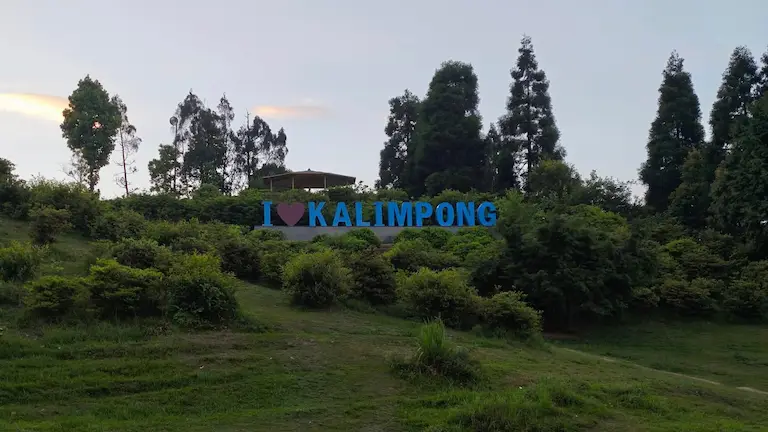
If you have a few extra days, you can easily visit these places nearby.
It is safe, but very hard for anyone with bad knees or walking problems. The last dirt road is very bumpy. Also, cars can only drop you at the bottom of the village. From there, you have to climb up steep stone stairs to get to your room.
No. Indian tourists do not need any special border passes to visit the village.
Yes. If you visit during the rainy months from July to September, you will find a lot of leeches on the jungle trails heading to Ramitey Dara and Damsang Fort.
It is about 15 to 18 kilometers away from the main Kalimpong taxi stand. Even though it sounds close, the drive takes almost an hour because the final dirt road is so rough.
The village sits at around 5,800 feet (1,770 meters) above sea level. Because it is up that high, you get cool mountain weather the entire year.
Author Bio: Bijoy Pal is a travel blogger and digital content creator who focuses on offbeat trips across West Bengal, Odisha, and Sikkim. Instead of taking luxury tours, he travels the hard way—using local trains, shared jeeps, and 4WD vehicles. Through his in-depth destination guides, his goal is to show travelers the actual ground reality of exploring remote mountain villages and hidden coastal spots.
My Trip Details: