Physical Address
Bankura, West Bengal 722142
Physical Address
Bankura, West Bengal 722142

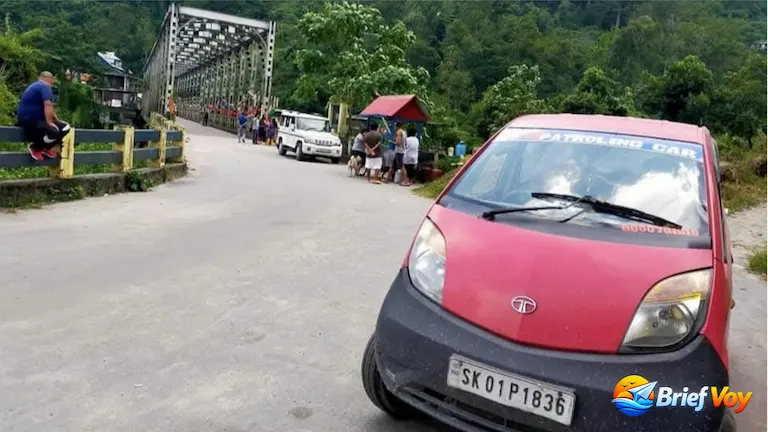
Many taxi websites say the NJP to Sittong distance is only 31 kilometers. That number is completely wrong. Once your car actually goes up the hills, the real drive is 55 to 65 kilometers. These websites make this mistake because their maps just measure a straight line in the air. Or, they start counting from Kurseong instead of the NJP station.
You need to know the real facts before you travel so drivers do not ask for extra money. This guide covers the three actual routes with simple GPS points. It also shows you the real driving time, the big height climb, and the correct taxi prices.
| Travel Detail | Verified Information |
| Actual Road Distance | 55 km to 65 km (depending on route) |
| Average Travel Time | 2.5 to 3 hours |
| Private Taxi Fare (Small Car) | ₹2,500 – ₹2,800 |
| Private Taxi Fare (SUV) | ₹3,000 – ₹3,500 |
| Bus Availability | None (Zero direct NBSTC or private buses) |
| Shared Jeep Fare | ₹250 – ₹300 (Available from Siliguri Junction, not NJP) |
| Starting Altitude (NJP) | 394 ft (120 m) |
| Destination Altitude (Sittong) | 2,800 ft (Lower Sittong) to 4,500 ft (Upper Sittong) |
Many tourists make the mistake of thinking Sittong is just a short 1-hour drive from the NJP railway station. This creates a big problem when bargaining with local drivers at the NJP taxi stand. Tourists think the drivers are asking for too much money for a 30 km trip. But drivers know they actually have to drive almost double that distance through steep mountain roads.
The truth is that Sittong is not just one small spot. It is a large area covering several villages. Even the closest entry point to the Sittong valleys is at least 50 km from NJP. Always keep a minimum of 2.5 hours in hand for this journey.
There is no single road to Sittong. Depending on where your homestay is located, your driver will choose one of three different routes. Knowing the exact milestones will help you track your journey.
Route: NJP → Siliguri → Sevoke → Kalijhora → Latpanchar → Ahaldara → Sittong
Total Distance: 55 km
Travel Time: 2 hours 15 minutes
This is the best route for most tourists. After leaving Siliguri, you drive past the Mahananda Wildlife Sanctuary and follow the Teesta River.
Route: NJP → Siliguri → Sevoke → Rambhi → Mungpoo → Jogighat → Sittong
Total Distance: 65 km
Travel Time: 2 hours 45 minutes
If you want to do some sightseeing on the way, pick this road. Instead of turning at Kalijhora, you drive further down the main highway along the river.
Route: NJP → Siliguri → Sukna → Rongtong → Tindharia → Kurseong → Dilaram → Bagora → Mamring → Sittong
Total Distance: 68 km
Travel Time: 3 hours
This road skips the river side completely. It takes the classic Hill Cart Road beside the Darjeeling Toy Train tracks.
If you are traveling during the monsoon season (July to September), the main highway (NH-10) near the Teesta River frequently experiences prolonged shutdowns due to landslides and river flooding.
If NH-10 is closed, Route 1 and Route 2 will not work. Your driver must take a longer bypass route:
Always call your homestay owner a day before you arrive to check the current status of NH-10.
Most travel blogs skip a very important detail. Sittong is actually split up into three big areas: Sittong I, Sittong II, and Sittong III.
You have to choose your road based on where your homestay is located. If you pick the wrong way, you might waste a whole hour just driving across the hills trying to find your room.
Getting a taxi at NJP is easy if you avoid the station crowd. When you step out of Platform 1, men will rush up to carry your bags. Do not talk to them. Just keep walking.
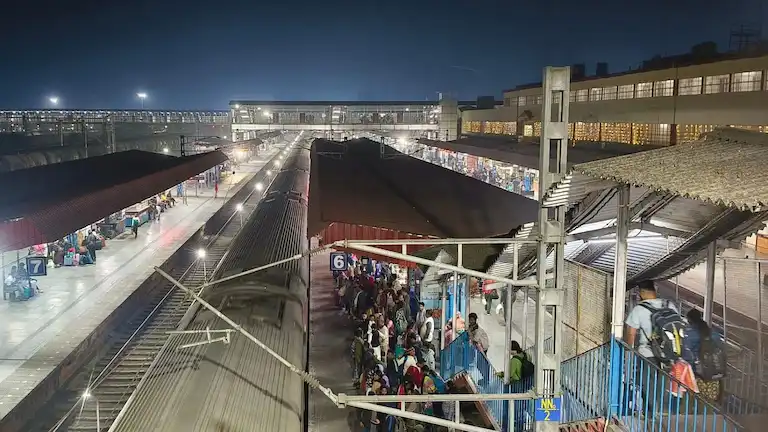
You have two main places to book a car outside:
For a direct drop to your village homestay, expect to pay these exact 2026 prices:
Peak Season Tip: Things get crazy crowded during the winter orange harvest from November to January. Car demand spikes, so taxi prices easily shoot up by ₹500. Want to avoid the headache? Just phone your Sittong homestay owner and tell them to send a local driver down to pick you up.

A lot of people think NJP station and Bagdogra Airport are the same place. But they are completely different. The airport is actually much further away from the mountains.
So, if you come by flight, your car ride to Sittong will take longer. You have to travel an extra 15 to 20 kilometers. This easily adds another 45 minutes to your trip.
Because it is a longer drive, the airport taxis will ask for more money. You can expect to pay about ₹300 to ₹500 extra compared to the normal NJP fare.
People often ask about direct buses from NJP to Sittong. Here is the truth: they do not exist. There are no government (NBSTC) buses and no private buses. You will not find a direct shared taxi from the NJP station either.
If you travel alone and want to spend less money, you must change cars on the way.
Step 1: First, get an auto or a Toto from outside the NJP station. Tell them to drop you at Siliguri Junction or the Sevoke Road stand. This short ride costs ₹30 to ₹40 for one person.
Step 2: At Siliguri Junction, look for a shared jeep going to Kalijhora or Kurseong. You just pay for your own seat. The fare is around ₹150 to ₹200.
Step 3: Get down when you reach Kalijhora or Kurseong. From there, you wait for another local shared car going up to Sittong. An even better idea? Call your homestay owner and ask them to send a small car to pick you up for this last hill climb.
A quick tip: Changing cars takes a lot of time. You need to wait around. If you are traveling with your family, skip all this trouble and just hire a private taxi.
The big highways out of Siliguri are wide and smooth. But the last 15 kilometers into Sittong are totally different. Those are very narrow, concrete village roads.
You go through a huge height change on this drive. NJP is almost flat, just 394 feet high. If you take the Bagora road, you climb all the way up to 7,100 feet. From there, you drive back down into the Sittong valleys. Most homestays there sit between 2,800 and 4,500 feet.
Car Warning: The patch between Kalijhora and Latpanchar is super steep with loose stones. If you put four people and heavy bags into a small car like a WagonR, it struggles. The tires easily spin, and the bottom of the car might scrape the road.
A small car works okay in dry weather if you pack light. But honestly, a big SUV like a Bolero or Sumo is a much safer pick. They sit higher off the ground. And if you travel during the rainy monsoon months, you absolutely need a bigger car to handle the thick mud.
The mountain roads have a lot of sharp, dizzy bends, especially if you go through Latpanchar or Kurseong. If you or your kids get car sick on hill rides, do yourself a favor and buy some medicine like Ondem or Avomine from a pharmacy down in Siliguri. You just need to take the pill about 30 minutes before the actual uphill climb begins.
When to Start: Try to leave NJP before 3:00 PM. If you visit in winter (December to February) and take the Kurseong or Dilaram route, thick fog covers the pine forests by 4:00 PM. This fog slows cars down a lot and makes your trip much longer. Also, it is really not safe to drive through the Mahananda forest after dark because wild elephants often cross the road.
Since the drive takes about 3 hours, you will definitely want a food break. Here are the best places to stop:
Yes, if you want a quiet hill trip. Sittong has no crowds, simple homestays, pine woods, and winter orange gardens. You can cross the Jogighat bridge, watch birds at Latpanchar, and see Mt. Kanchenjunga from Ahaldara.
But keep your expectations right. Sittong is strictly for slow village life. Skip it if you want luxury hotels, shopping malls, or busy tours. Come here only if you want to sit back, leave the city noise, and rest.
It is best to avoid night travel. The hill roads do not have streetlights, and driving through the dark forest sections is risky. Try to start your trip early so you reach your homestay before sunset.
No, you cannot use them for this trip. Ola and Uber only work inside Siliguri city. They do not accept rides to hill villages like Sittong. You will need to hire a private taxi from the local stand.
It is about 50 kilometers away. The taxi ride takes around one and a half to two hours. The road goes up to the main highway at Dilaram or Jorebungalow, taking you through the beautiful pine forests of Sonada and Ghum before entering Darjeeling.
No, it never snows there. Sittong is at a height of about 4,000 feet, which is not high enough for snow. The weather stays pleasant most of the year. But nights in December and January get very cold, so you should pack a heavy winter jacket.
Author Bio: Written by Bijoy Pal, founder of the travel blog Brief Voy. Bijoy regularly travels across the North Bengal hills and personally checked these routes, road conditions, and taxi fares on the ground.