Physical Address
Bankura, West Bengal 722142
Physical Address
Bankura, West Bengal 722142

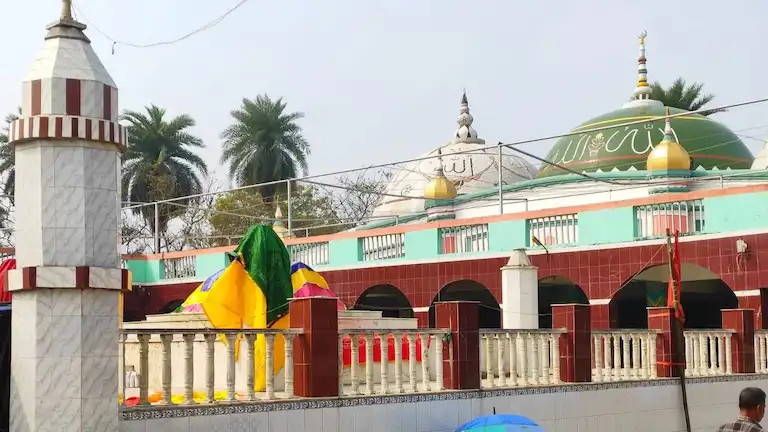
Most people visiting Purba Medinipur go straight to Digha or Mandarmani. Want to skip those crowded beaches? Visit Hijli Sharif instead to see some real local history.
This quiet tomb belongs to a ruler named Taj Khan (Masnad-e-Aala). Locals truly believe this shrine makes wishes come true. People of all backgrounds drive down these dusty dirt roads every year just to pray.
At Brief Voy, we hate copy-paste tourist fluff. Forget the standard web summaries. I will show you the real history, what the Dargah looks like in person, where to get local food, and how to turn this into a full-day road trip.
If you look up the Hijli Kingdom online, you will find a lot of confusing dates. Many travel blogs just copy Wikipedia and get the timeline tangled up. To really understand Hijli Sharif, you have to look at what the history books say versus what the local caretakers actually believe.
British records document the Hijli region’s rich sea trade. In 1628, the capital officially shifted to Hijli, turning it into a massive maritime port that rivaled European trading interests. This golden era lasted until 1687, which is the exact year the British agent Job Charnock attacked and captured the port.
But walking through the courtyard, the local caretakers—known as the Khadims, whose families have managed this shrine for generations—will not tell you stories about port towns or European trading. Local folklore in Pratappur focuses entirely on the spiritual legacy of Taj Khan (Masnad-e-Aala), who ruled much earlier, from 1509 to 1555.
According to oral history passed down in the village, Taj Khan was a very kind king and a close follower of a great Sufi saint named Guru Peer Makhdum Shah Chisti. The locals believe his deep spiritual roots—not just his royal title—are what make the ground here so sacred today. So, while the port kingdom fell in the late 1600s, the shrine itself traces its holy roots right back to Taj Khan in the 1500s.
Why drive hours to see this village shrine? It is all about faith.
Locals believe praying here actually works. People tie a small thread—called a mannat—to the tree branches and make a wish. You can buy a thread and a little flower basket at the gate stalls for just ₹20 to ₹50.
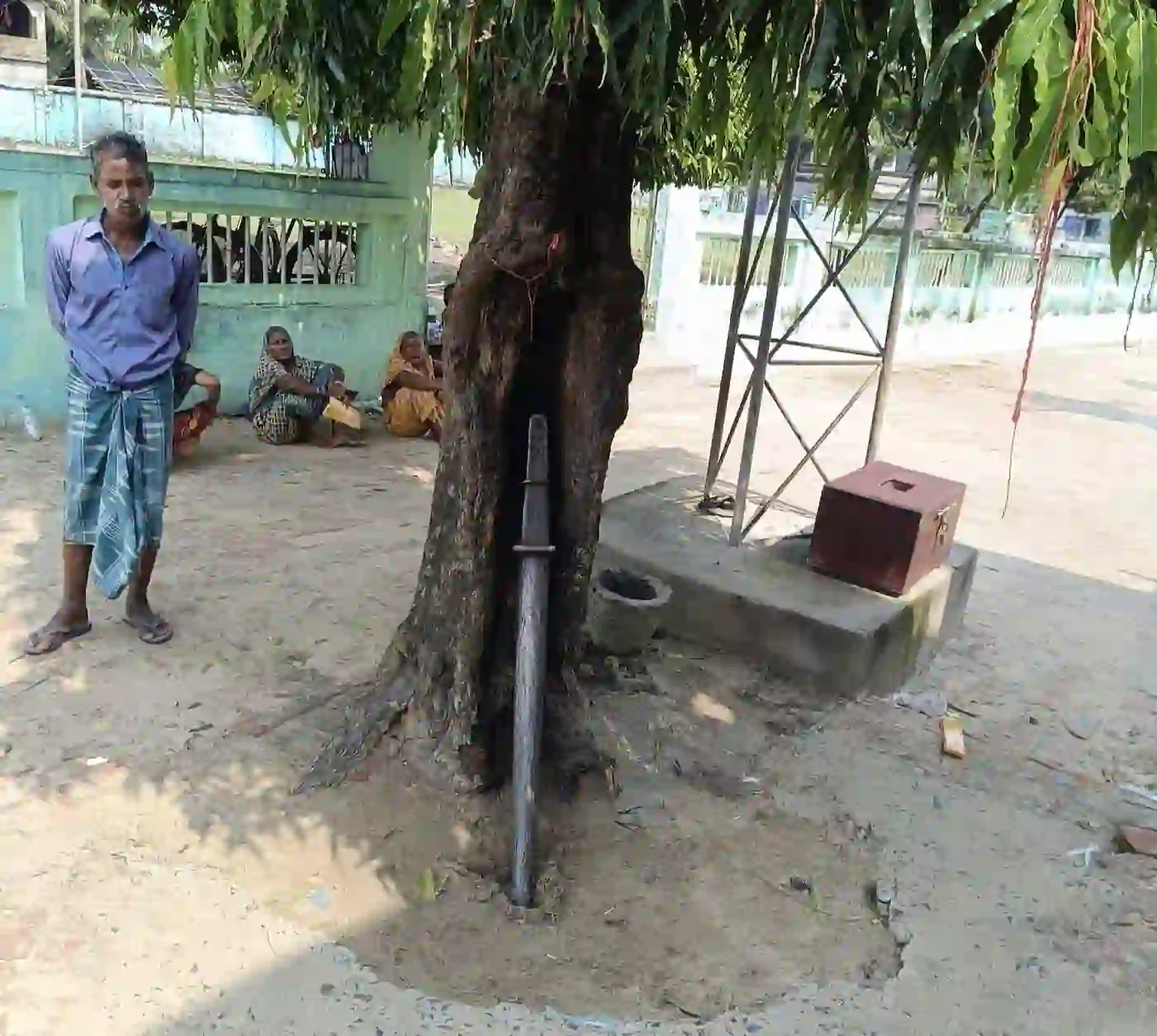
Did your wish come true? You have to come back. Visitors untie a thread from the tree and place a cloth (chadar) on the king’s tomb to say thanks. Just look around the yard. You will see hundreds of these colorful threads hanging everywhere.
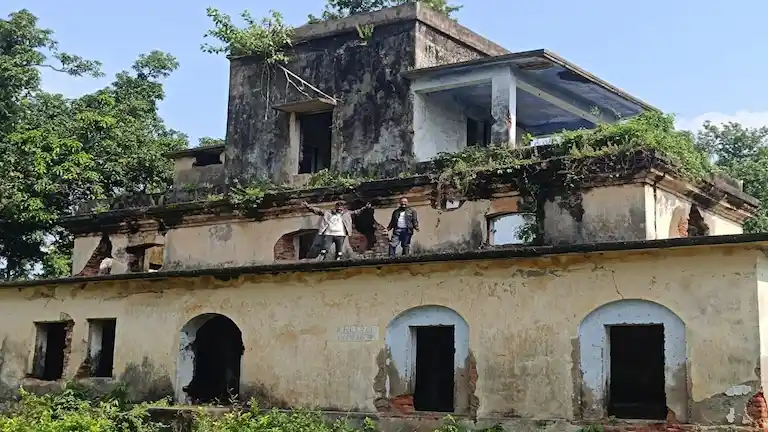
I parked in the dirt patch right by the gate. You can feel how old the building is the second you look at it.
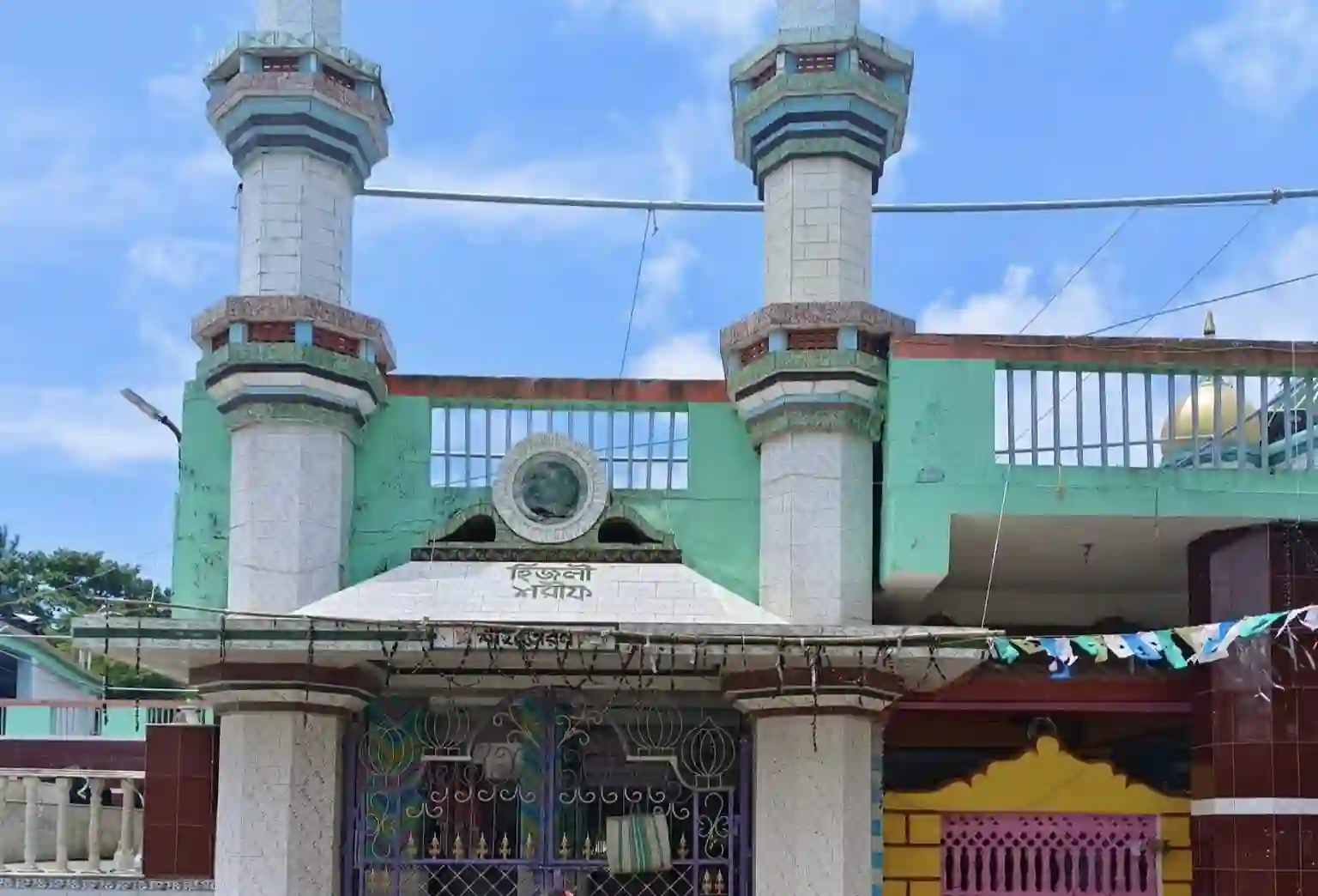
They built it using local baked bricks and heavy plaster. There is a bright green and white dome sitting on the roof. The walls themselves are incredibly thick. Because of those thick walls and a nice breeze from the Rasulpur River, the inside gets really cold. You walk in from the burning hot courtyard, and the room just feels peaceful and chilly.
Look up near the main arch and around the grave. You can easily spot old Islamic writing and carved stones. This place is not a fake tourist spot. It feels very real and quiet.
Pratappur is usually a very quiet village. That completely changes during the Urs Festival.
This event marks the death of the saint. The dates shift based on the Islamic lunar calendar. It normally lands in the Bengali months of Magh or Falgun.
For those few days, the whole place turns into a massive rural fair. Thousands of people arrive and set up camps. The streets get packed with small stalls. You can buy hot sweets, clay toys, glass bangles, and fresh flowers. Want to see real Bengali village culture? You have to visit during this time.
Do not drive 3 hours just to see the Dargah and go home 30 minutes later. The shrine is actually right in the middle of the Khejuri Historical Circuit. You can stay in the area all day by checking out these nearby spots:

Hijli Sharif sits at Hijli Road, Pratappur, Nijkasba, Midnapore – 721431. You can drive there yourself or catch a train. Let me break down the easiest ways to reach the gate.
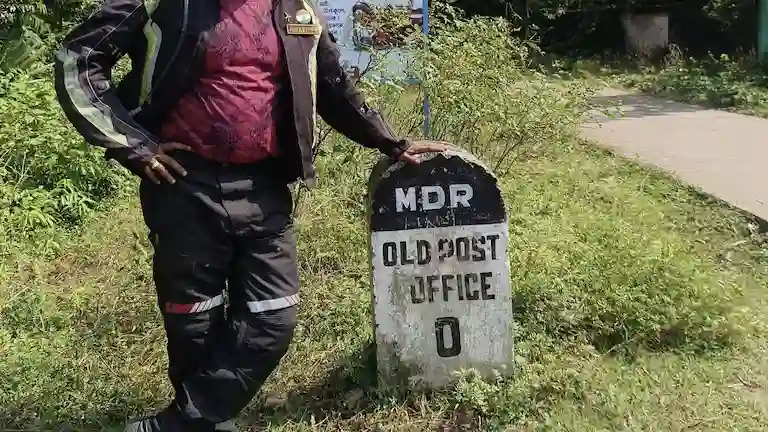
By Car:
By Train (For Backpackers):
Take a train from Howrah and get down at Contai Road (Kanthi) station. The shrine is still 15 to 20 kilometers away. Just walk outside the station. You will see a line of Totos and autos. A private ride straight to the Dargah costs ₹200 to ₹300. Trying to spend less? Get a shared auto heading to the Khejuri or Rasulpur crossing. That ride is only ₹30 to ₹50. Once you reach the crossing, grab a cheap local van or simply walk the last few kilometers.
Start your trip on the Bankura – Beliator – Sonamukhi road and head toward Arambagh. Next, switch to the Ghatal – Pansukura road. This will drop you right onto NH16. From there, catch NH116B at Nandakumar and drive down to Khejuri. The whole trip takes about 5 to 6 hours. It is a long time in the car, but the views outside are really nice.
Already hanging out at a beach hotel? You can easily visit the shrine in half a day. The Dargah is only 45 kilometers away from the coast. Just book a local cab. You will reach the gate in about an hour and a half, and you get to drive through some beautiful green farming villages along the way.
There are no hotels or guest houses next to the shrine. Pratappur is just a small village. Most people book a room in Digha or Mandarmani instead. Those beaches are 45 kilometers away. The drive takes about an hour and a half.
Need to stay closer? Check out Kanthi (Contai). It is only 20 kilometers away from the Dargah. You will find plenty of cheap, basic lodges there to sleep for the night.
Keep these quick details in mind before you go:
Just like the hidden shores of Bankiput, Hijli Sharif gives you the exact opposite of those crowded beaches. It is completely quiet. The history and local faith feel very real when you actually stand in the courtyard.
Forget the standard web guides and go drive the Khejuri circuit for yourself. You get to see old village buildings and climb the Dariapur Lighthouse. Even if you just sit in total peace under the big banyan tree, this short trip is absolutely worth doing.
Yes, women can go inside the compound and pray. Just wear simple, everyday clothes. You only need to bring a scarf or a dupatta to cover your head before you step into the main tomb area.
Plan your trip between October and March. Winter makes driving around the Khejuri area really nice. I highly suggest skipping July and August. When the heavy monsoon hits, those village dirt roads turn into thick mud, and cars can easily get stuck.
Yes, parking is very easy. You will see a large, open dirt lot right at the main gate. It is completely free. You can safely leave your car or bike there while you go inside.