Physical Address
Bankura, West Bengal 722142
Physical Address
Bankura, West Bengal 722142

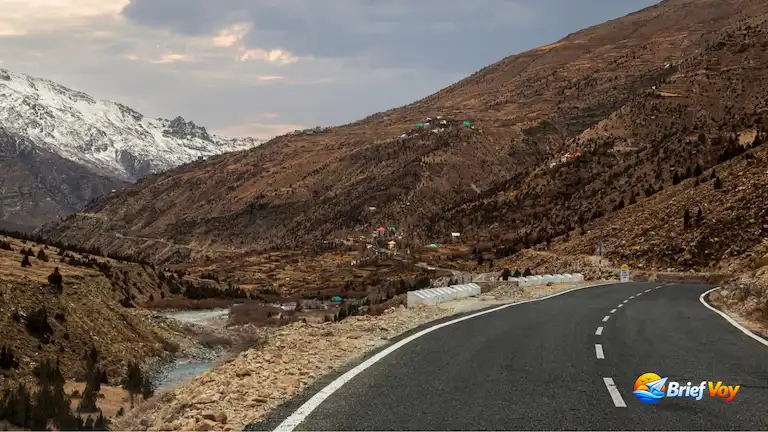
The Atal Tunnel completely changed Lahaul Valley. Sissu and Keylong are now busy with weekend crowds, but if you drive a few hours west, places like Pattan and Miyar are still quiet and off the grid.
If you are driving up this season, you need to prepare. The road conditions, fuel stops, and cell phone coverage change very quickly depending on which valley you visit.
| Fact | Detail |
| Nearest Airport | Bhuntar (KUU) – 75 km to Sissu |
| Nearest Railhead | Chandigarh (CDG) – 310 km |
| Permits | None needed (via Atal Tunnel) |
| Last Fuel Stop | Tandi (330 km fuel gap to Leh) |
| Best Season | Jun–Oct (Road trips) | Jan–Feb (Snow) |
| Mobile Network | Jio & Airtel 4G (No signal past Darcha/Miyar) |
| Base Altitude | 10,100 ft / 3,080 m (Keylong) |
Lahaul Valley is a high mountain district in Himachal Pradesh, located just past Rohtang Pass. People often group it with Spiti because they share the same district name, but Lahaul is very different. It is lower in height, which makes it much greener and full of active farms.
The Chandra and Bhaga rivers flow through the area, where Hindu and Tibetan Buddhist cultures live side by side. In the past, heavy snow blocked the roads and closed Lahaul for six months every year. Now, the new tunnel keeps the valley open to Manali all year.
Lahaul is a massive district. Understanding how its four river valleys connect is the easiest way to plan your trip. (Pro-tip: If you are building a GPX map, drop a pin at the Tandi fuel pump and the Shukto road-end in Miyar to see how far off the grid you are actually going).
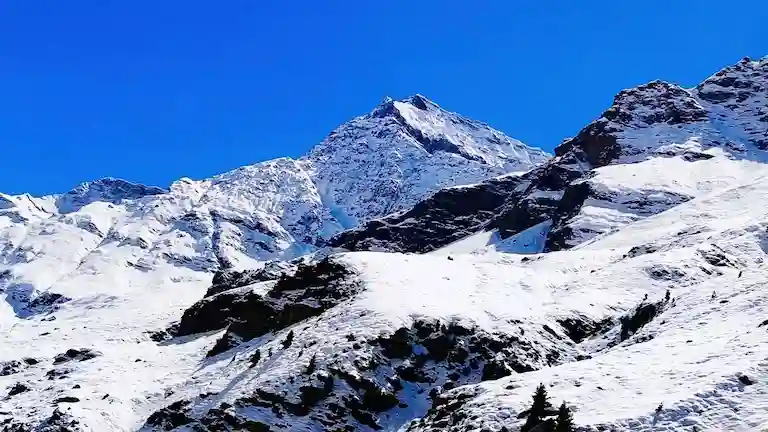
You hit this area first after exiting the tunnel. Sissu, Koksar, and Gramphu are located here. It is incredibly easy to reach, making it the main winter tourist zone. People come for the snow, stay in luxury camps, or pass through toward Spiti.
Bikers and overlanders know this stretch well. It runs right along the Manali-Leh highway. Keylong serves as the main town and has the district hospital. Jispa sits a bit higher and is famous for riverside camping. You will drive this route if you are heading to Ladakh over Baralacha La or into Zanskar via Shinkula Pass.
Where the rivers meet at Tandi, they form the Chenab and flow west into Pattan Valley. It is lower, greener, and full of apple orchards. You will find ancient wooden temples and quiet villages like Udaipur and Jahalman. No crowds. Just authentic homestays and local culture.
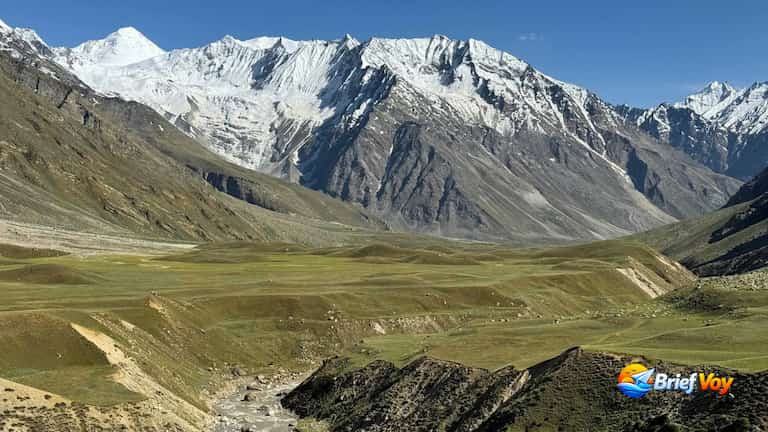
Turn off at Udaipur, and things get wild. The road ends entirely at Shukto. Cross the river on foot at Khanjar, and you are staring at massive glaciers and 500-meter granite walls. Cellular networks do not exist here. It is mostly for serious trekkers and climbers.
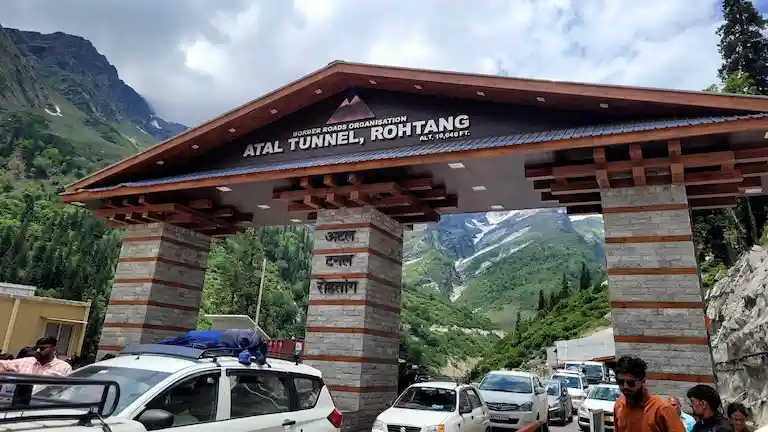
The drive to Sissu is an easy 33 km on a good, two-lane road. It takes about an hour and a half. The biggest issue here is the sudden height change. You jump from 6,700 feet in Manali to 10,400 feet at the tunnel exit in less than an hour. This fast climb can easily make you feel sick from the altitude. Just take it easy on your first day and do not do any hard walks.
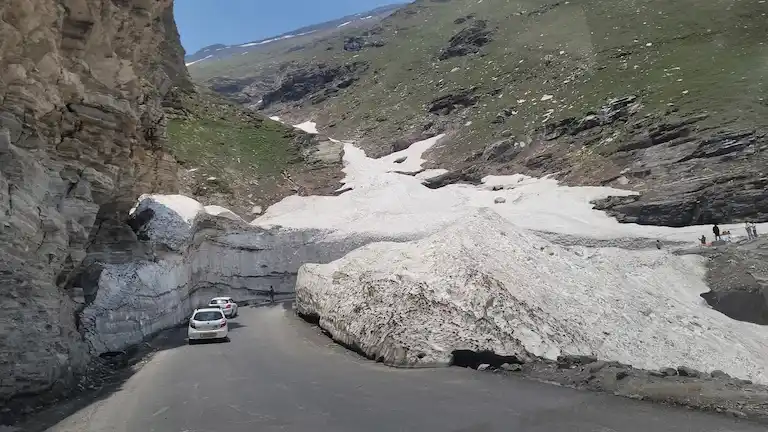
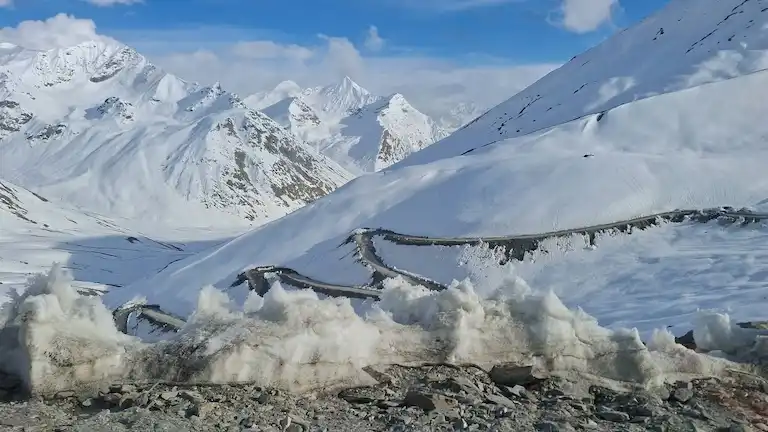
This is the old 51 km mountain road. It goes up over the top of Rohtang Pass before dropping down into Gramphu. The views are great, but the roads are very steep. Thanks to heavy summer traffic, the trip will take you 4 to 5 hours. Also, heavy snow completely closes this route from November until May.
HRTC buses run daily. The first bus from Manali leaves at 6:00 AM, reaches Keylong in under 3 hours, and costs about ₹200 to ₹250. Direct buses to Udaipur take 5 to 6 hours. Keylong is the main transport hub for connecting to Leh, Kaza, or local villages.
Missed the bus? Look for Tata Sumos or Boleros parked in Keylong. A seat to Udaipur (54 km) is ₹150 to ₹200. For comparison, the HRTC bus is ₹120. Rides to Jispa cost ₹50 to ₹100, and Sissu is ₹100. You wait until the car fills up, which usually takes 30 to 45 minutes.
If you are planning your daily driving hours, use this chart from Keylong (the district headquarters) to the major hubs.
| Destination (From Keylong) | Distance | Realistic Drive Time |
| Sissu | 30 km | 1 Hour |
| Jispa | 22 km | 45 Minutes |
| Darcha | 32 km | 1.5 Hours |
| Udaipur | 54 km | 2 Hours |
| Shukto (Miyar Valley) | 84 km | 3.5 to 4 Hours |
| Baralacha La | 73 km | 3 Hours |
| Shinkula Pass | 72 km | 3.5 Hours |
The petrol pump at Tandi sits 8 km before Keylong. It is the only reliable fuel station in the district. Driving to Leh? This is your last stop for 330 km until you reach Karu. Exploring Miyar or Pattan? Fill up here because there are no pumps in Udaipur. Make it a habit to fill your tank to the brim at Tandi.
Winter driving takes extra prep. Put anti-freeze in your diesel so it does not turn to gel overnight. Keep coolant at a 50:50 ratio. Drop your tire pressure when driving on black ice. Mechanics will not be around to help you thaw a frozen car in the morning.
Google Pay and PhonePe work fine in Keylong and Sissu. They are useless in Pattan or Miyar without internet. Keylong has SBI and PNB ATMs. Udaipur has one ATM, but it runs out of cash often. Bring enough cash from Manali to cover everything off the main highway.
| Travel Style | Daily Cost (Per Person) | What It Includes |
| Backpacker | ₹1,200 – ₹1,500 | HRTC buses, shared Sumos, basic homestays, dhaba food. |
| Mid-Range | ₹3,000 – ₹4,000 | Shared private taxis, nice camps or hotels, restaurant meals. |
| Self-Drive | ₹2,500 – ₹3,500 | Fuel from Manali, good rooms, backup cash for car trouble. |
The tunnel skips the slow drive over Rohtang. You gain height very fast, which can easily make you sick.
Stay one night in Keylong or Jispa to adjust before driving over the high passes.
Save these numbers before you lose cell service.
For serious emergencies when roads are blocked, the army airlifts patients from the Stingri Helipad near Keylong to Kullu or Chandigarh.
Note: Check live road and tunnel updates before you drive by following the Lahaul-Spiti Police on X/Twitter (@LahaulSpitiPol).
Driving out of the tunnel’s North Portal in winter is dangerous. Water runoff freezes instantly on the road. Drive under 20 km/h or you will spin out on the black ice. When it snows heavily, police ban regular hatchbacks past Sissu. You need a 4×4 or proper snow chains.
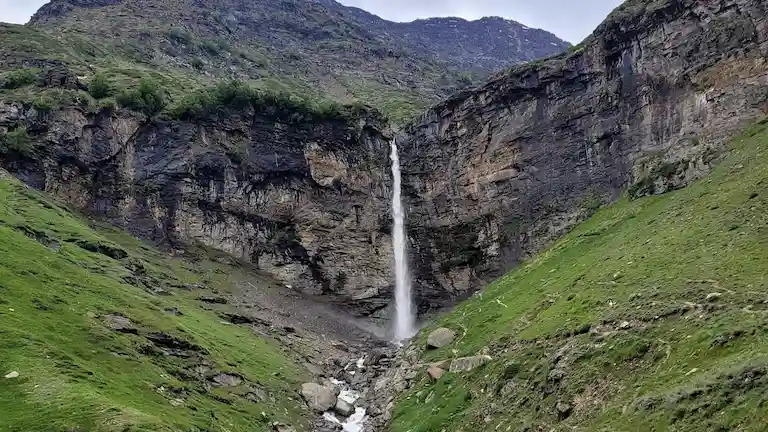
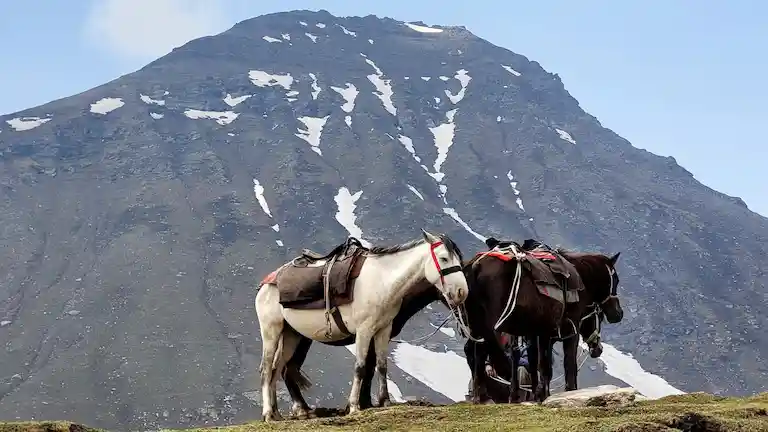
Best for regular cars and weekends.
Best for SUVs and slow travel.
For 4x4s and overland setups.
Do not just eat standard restaurant food while you are here. Lahauli culture is deeply rooted in Tibetan and Himachali traditions, and staying in a homestay gives you direct access to it.
Instead of generic hotels, book a stay in traditional Lahauli homes. Many of these use local mud, stone, and the traditional Kath-Kuni wood-locking architecture.
When you stay in these local homes, the host families will cook real Lahauli meals for you. Make sure to try:
Etiquette goes a long way. Always remove your shoes before stepping into the kitchen or living room of a local home. Never sit with the soles of your feet pointing toward the family hearth (the fire) or a religious altar, as locals consider this highly disrespectful.
Winter brings unique local events. If you are here in January, you might see Halda, a festival of light which features massive cedar wood bonfires. Fagli follows a few weeks later with traditional masked dances marking the end of winter.king the end of winter.
No. You do not need a permit to visit Sissu or Keylong if you take the tunnel.
Tandi. Fill up here. You will not see another fuel pump for 330 km if you are driving toward Leh.
Yes, in summer. The main roads to Keylong and Udaipur are paved. Just do not take a 2WD into Miyar Valley or up Shinkula Pass.
Jio and Airtel work fine around Keylong and Sissu. You lose all service past Darcha or inside Miyar Valley.
It requires extreme caution. Black ice forms instantly at the tunnel exit. Police will turn you back if you do not have a 4×4 or snow chains during heavy snow.
About the Author: Bijoy Pal is a digital publisher and experienced Himalayan overland traveler who has driven the Spiti and Lahaul circuits extensively. Founder of the travel platform Brief Voy, he specializes in mapping offbeat destination guides and logistical routes for independent and 4×4 travelers based on rigorous on-the-ground reconnaissance.