
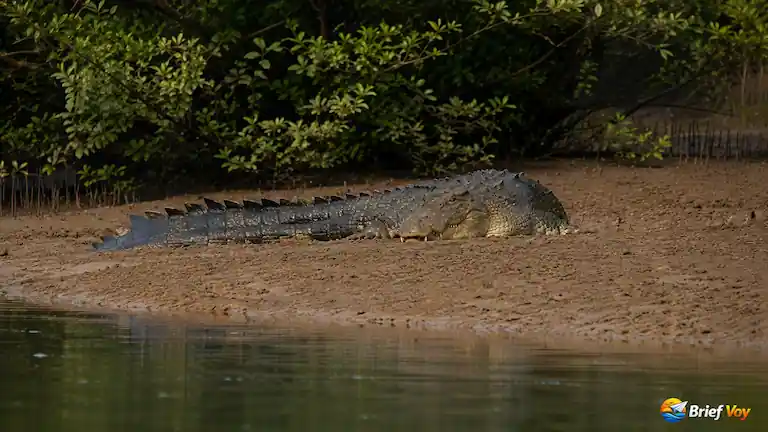
Most wildlife safaris in India mean riding in a dusty, noisy Jeep with a crowd of tourists. Bhitarkanika National Park in Odisha is completely different. Covering 672 square kilometers, there are no roads here at all. Instead, you float in total silence on a wooden motorboat through India’s second-largest mangrove forest, searching the muddy riverbanks for massive saltwater crocodiles.
The animal numbers here are amazing, with the latest 2026 census counting 1,858 saltwater crocodiles. However, there is a big debate about this number among wildlife experts. In January, the forest department reduced the counting time from the normal 10 days down to just 3 days using drones and AI cameras. Experts like Dr. Sudhakar Kar argue that a quick 3-day window does not let the muddy waters settle enough for a perfect count. Knowing this truth shows you exactly what is happening in the park right now. Planning a trip here also requires careful timing because ocean tides control the boats, and you must pick the right entry gate before arriving. Based on my first-hand visits and ticket counter checks, this guide gives you the exact costs, boat schedules, and practical tips to safely explore this wild river delta.
What is Bhitarkanika?
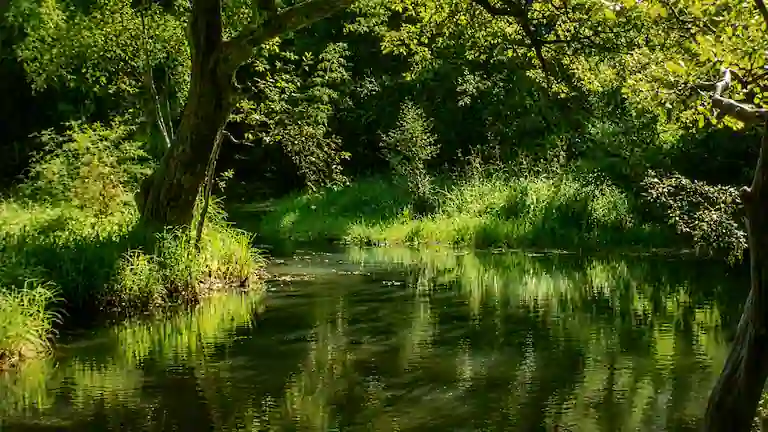
Before you book, you need to know what to expect. This is not a normal jungle where you drive in a Jeep. It is a thick, wet forest. It forms where three big rivers meet the sea: the Brahmani, Baitarani, and Dhamra.
In the past, this area was the private hunting ground of the King of Kanika. Today, it is a protected area. Because it is so special, it officially became a globally recognized Ramsar Wetland in 2002. These thick mangrove trees are also very important for local people. They act as a strong natural wall, protecting Odisha’s coastal villages from heavy cyclones coming from the Bay of Bengal.
Here are the basic facts:
- Total Sanctuary Area: 672 sq km.
- Core National Park Area: 145 sq km (This smaller area is where your boat safari actually happens).
- The Main Attraction: The saltwater crocodile.
- The Experience: Very quiet and all on the water. You will spend your time sitting in a wooden motorboat, moving through narrow rivers to find resting crocodiles.
In most Indian parks, you ride on dusty roads. Here, the trees are so thick that sunlight barely touches the water. It feels completely different from any other park in India.
The 2026 Logistics: Gates, Entry Fees, and Safari Costs
The biggest mistake tourists make is arriving without knowing how the local system works. I always visit regional ticket counters in person to manually confirm accurate seasonal pricing for my Bhitarkanika National Park travel guides, so you never get overcharged. I checked these exact 2026 rates right at the forest office windows.
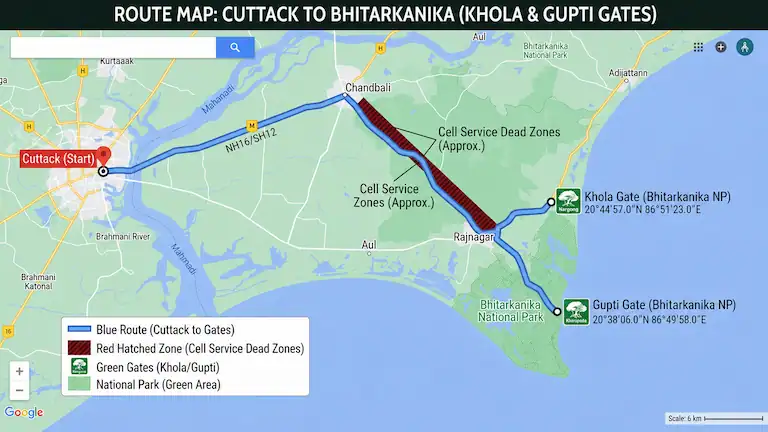
Important Warning: Bring physical cash. Mobile networks are very weak here. Once you drive past the town of Rajnagar, expect your Airtel or Jio phone signal to die completely. You must download offline Google Maps before you leave the city. UPI apps (like Google Pay) and card machines usually do not work at the gates.
Official Park Entry Fees
Before you rent a boat, you must buy an entry ticket from the forest office.
- Indian Citizens: ₹40 per person for small groups. If you have 10 to 18 people, it drops to ₹25 per person.
- Foreign Visitors: ₹100 per person (Make sure to check the official Odisha Forest Department PDF for seasonal updates).
- Standard Camera (DSLR): ₹50 per day. (Mobile phone cameras are free).
- Large Video Camera: ₹5,000 per day (for professional film crews).
- Drone Rule: Drones are strictly banned. Forest guards will take them away instantly.
Khola Gate vs. Gupti Gate: Which Should You Choose?
There are two main entry points, and picking the right one is important:
- Khola Gate: This is the main gate. Choose Khola if your main goal is to see crocodiles and visit the Dangmal breeding center. It is the best starting point for the deep forest.
- Gupti Gate: Choose Gupti if you want to see birds or go to the sea. It is the starting point for boats going to the outer areas like Habalikhati Beach. It has fewer crocodiles but beautiful coastal views.
Boat Safari Costs (The Real Prices)
You cannot bring your own boat. You must rent an approved boat from Khola or Gupti. Each boat holds up to 18 people.
Quick tip to prove you know the rules: government boats are usually blue, while private boats are green. This matters a lot! The blue government boats are safer and larger. But the green private boats are smaller, which means they can navigate into the very shallow creeks where the biggest crocodiles like to hide.
| Boat Type | Price (2026) | Route / Duration | Best For |
| Private Boat (Inner) | ₹3,000 – ₹3,500 | Khola to Dangmal (3-4 hrs) | Serious photography, large crocodiles |
| Private Boat (Outer) | ₹2,000 – ₹2,500 | Gupti to Habalikhati | Bird watching, coastal views |
| Shared Govt Boat | ₹150 – ₹400/seat | Standard route | Budget travelers, large groups |
| Night Safari | ₹6,000 + ₹2,000 guide | Special permit route | Spotting the rare Fishing Cat |
A Checklist: What to Ask Your Guide
You must pay a mandatory guide fee (₹100–₹200) to a local forest guide who rides with you. Most tourists just sit in silence while the guide points out common birds. To get the best experience, ask your guide these three specific questions at the ticket counter:
- “Do you know where the King Cobras were last spotted?” (Guides talk to each other every morning; they usually know exactly where the snakes are resting).
- “Can we route through the smaller, narrower creeks instead of the main river?”
- “Can you identify the different Kingfisher bird calls for us?”
Safari Timings, Shifts, and Night Safaris
The park is open from 7:00 AM to 5:00 PM. Boats run on a strict schedule.
- Morning Shift (7:30 AM – 11:00 AM): The best time for crocodiles. They come out of the cold water to warm up on the mud.
- Afternoon Shift (1:30 PM – 4:30 PM): Good for birds. Crocodiles hide in the deep water to stay cool, so they are hard to see.
- The Night Safari (Special Booking): As shown in the table above, you can book a special night safari to look for the rare Fishing Cat. You must book this at the gate.
The “Tide Chart” Secret for Crocodile Sightings
Every other travel blog says, “Go in the morning.” This is only half true. The lunar cycle (moon phases) and ocean tides completely control your boat safari.
Saltwater crocodiles only bask on the mud banks during low tide when the mud is exposed to the sun. If you book a 7:30 AM boat during high tide, the water will be covering the banks, and the crocodiles will be hidden deep in the mangrove trees.
Actionable Advice: Before you book your trip, check a free local tide app (search for “Tideschart Dhamra Port“). Schedule your 3-hour boat ride so it overlaps with the daily low tide. This is true insider knowledge that guarantees the best animal sightings.
How to Book Your Safari
There are many fake websites pretending to be the government. Here is how to book safely.
- Booking Your Room: If you want to stay inside the forest at government Nature Camps (like Dangmal), book only on the official website: ecotourodisha.com. Rooms sell out two months early in winter.
- Strict Cancellation Policy: The official government site has very strict rules. If you run late and miss your booked boat time slot by 1.5 hours, your trip is cancelled automatically, and you will not get a refund.
- Booking the Boat (Offline): Arrive at the Khola Gate Jetty by 7:00 AM. Go to the physical ticket counter. You pay for your entry, rent your boat, get a guide, and leave. It is very easy.
- Booking Through Private Resorts: If you stay at a private hotel, they will book the boat for you. They charge a small extra fee, but it saves you time.
How to Reach Bhitarkanika National Park
The roads in Odisha are great, but the last 30 kilometers to the forest can be bumpy.
- By Air: The closest airport is Bhubaneswar (170 km away). A private AC taxi from the airport to your resort will cost ₹6,000 to ₹7,500 for a round trip.
- By Train: The nearest station is Bhadrak (70 km away). This is best if you come from Kolkata or North India. From there, take a taxi or bus to Chandbali village.
- By Road: If you are driving from Kolkata or Balasore, you can make a quick coastal stop at Talsari Sea Beach before heading south toward Kendrapara. Set your GPS for Khola Gate or Gupti Gate. From Cuttack, the route is: Cuttack -> Salipur -> Kendrapara -> Rajnagar -> Khola Gate. Fill your gas tank in Kendrapara or Rajnagar, as there are no gas stations near the forest.
Wildlife You Will Actually See
The amount of wildlife here is amazing. Here is what to look for.
The Estuarine (Saltwater) Crocodile
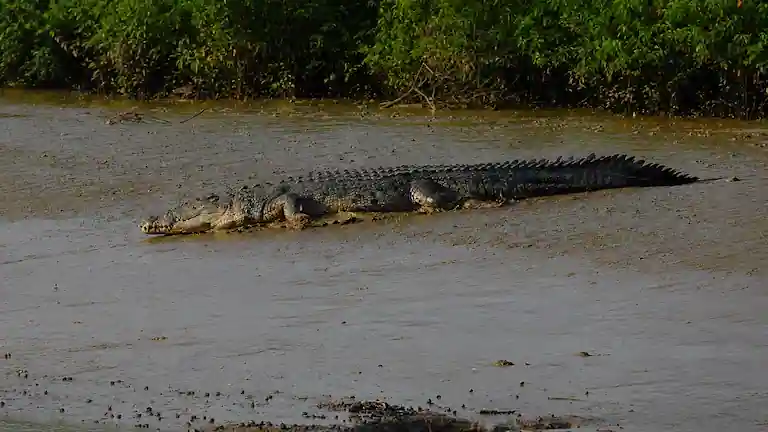
This is the star of the park. During winter, you will see 10-foot to 15-foot giants sleeping on the mud with their mouths open to control their body heat. They are huge and very territorial.
Eight Types of Kingfishers
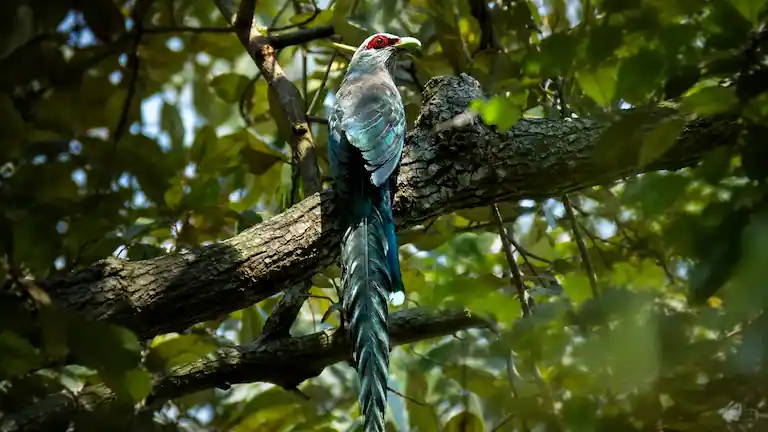
This place is a dream for bird lovers. It has eight different types of Kingfisher birds. Look closely for the Brown-winged, Black-capped, and Collared Kingfishers. Also watch for the Pied Kingfisher, which stops completely in mid-air before diving into the water to catch fish.
The Water Monitor Lizard
Do not confuse these with small crocodiles. Water monitors can grow up to 8 feet long. You will see them swimming or climbing tree roots to steal bird eggs.
Mammals on the Banks
Look closely at the land. As your boat moves, you will see herds of Spotted Deer drinking water. You might also see Wild Boars, Monkeys, and Golden Jackals in the mud.
Best Time to Visit & Weather Calendar
When planning a trip to Bhitarkanika National Park, the local weather completely controls what you will see.
CRITICAL RULE: The park is strictly CLOSED from May 1st to July 31st every year for the breeding season.
| Season | Months | Wildlife Sightings & Experience |
| Winter | Nov to Feb | Excellent. Cool weather. Crocodiles sit on the banks all day. Best time to visit. |
| Spring | Mar to Apr | Good. It gets hot. Crocodiles stay in the water to keep cool. You will only see their eyes. |
| Monsoon | May to Jul | Closed. The park shuts down to protect baby animals. |
| Post-Monsoon | Aug to Oct | Fair. Heavy rain and deep mud. Water is dirty, and crocodiles are very hard to find. |
Where to Stay: Eco-Resorts & Forest Camps
There are no big luxury hotels here.
- Dangmal Nature Camp (Government): The only place inside the actual park. You sleep in nice cottages surrounded by deer. Book 60 days early via ecotourodisha.com.
- Sand Pebbles Jungle Resort: Right near Khola Gate. They have nice tent rooms, great food, and help you book boats.
- Estuarine Village Resort: A clean, traditional resort with modern bathrooms and tasty local food.
- Mangrove Pitta Homestay: Run by a local guide. It is simple, budget-friendly (around ₹2,000 per night), and very authentic.
Top 5 Things to Do Inside the Park
Your boat will stop at a few places where you can get out and walk safely.
- Dangmal Crocodile Center: Walk through safe fences to see baby crocodiles and learn how the forest department protects them.
- The Ancient Hunting Tower: Walk down a 20-minute fenced trail to see an old brick tower built by an ancient King.
- Bagagahana Bird Area: In winter, your boat driver will show you trees filled with thousands of noisy, nesting birds.
- Kalibhanjadiha Island: A quiet route near the port with lots of wild boars and huge monitor lizards. (If you enjoy remote coastal history, you can also plan a day trip to nearby Hukitola Island).
- Habalikhati Beach and Gahirmatha: If you have an extra day, take a long boat trip to the sea. Here you will find the Gahirmatha Marine Sanctuary. It is the world’s largest nesting site for Olive Ridley Sea Turtles. From January to March, you can see the arribada—a massive event where thousands of turtles come to the beach to lay eggs. If you prefer an untouched shoreline that you can drive directly to, check out the ground reality of the nearby Pentha Sea Beach.
Critical Safety Rules & Do’s/Don’ts
Saltwater crocodiles are ambush hunters. They are fast. Follow these rules to stay safe.
- Keep Hands Inside: Crocodiles can jump out of the water very quickly. Never put your hands or feet over the edge of the boat.
- Stay Quiet: Sound travels fast on water. If you yell or play music, the animals will hide before you can see them.
- Stay on the Path: When you get off the boat, walk only on the concrete paths. The mud is dangerous and is exactly where crocodiles hide.
Traveling with Seniors & Accessibility
Indian wildlife blogs almost completely ignore accessibility. Many people want to bring their elderly parents to Bhitarkanika because it does not require long trekking, but they are afraid of the boats.
Here is the truth about bringing seniors or disabled visitors:
- Boarding the Boats: You do not have to jump from a muddy bank. At the main Khola gate, there is a solid concrete ramp that leads right to the boats, making it easy to board.
- Boat Safety: The official government boats are large, sit deep in the water, and have strong wooden handrails to hold onto.
- Dangmal Center Access: When you step off the boat at the Dangmal Crocodile Center, the walking paths are flat, paved, and mostly wheelchair accessible, making it an excellent stop for older visitors.
What to Pack for a Boat Safari
The sun is very hot, and there are no shops on the river.
The “Moving Boat” Photography Guide
Boats are not allowed to go closer than 20 meters to the riverbanks to protect the animals. If you want clear photos, a mobile phone is not enough. You must bring a 400mm to 600mm zoom lens. Taking photos in Bhitarkanika is notoriously difficult because you are shooting from a vibrating wooden motorboat into a dark, heavily shaded mangrove tree canopy.
Here is a quick technical cheat sheet for photographers:
- Shutter Speed: Keep it at a minimum of 1/1000s to counter the heavy boat engine vibrations.
- ISO: Because the tree canopy is so thick, you will need to push your ISO much higher than normal (often 1600 or 3200) to maintain your fast shutter speed in the dark shadows.
- Gear Tip: Do not bring a tripod. A tripod is completely useless on a shaking boat deck. Instead, bring a soft camera beanbag. You can rest your heavy lens on the beanbag over the wooden edge of the boat to get a steady shot.
Other Essential Items
- Plenty of Cash: Mobile networks fail here. Bring paper money to pay for everything.
- Dull Clothing: Wear light cotton clothes in green, brown, or grey. Bright colors scare the animals.
- Sun Protection: Bring a hat, sunglasses, and sunscreen. The sun reflects off the water and burns skin fast.
- A Phone Power Bank: Your phone battery will drain quickly because it keeps searching for a signal.
- Water and Snacks: Bring your own water bottle. There is no food on the water.
The Perfect 2-Day Plan
Do not do a one-day trip. You will miss the best morning wildlife. Here is the perfect schedule:
Day 1: Arrive and Relax
- 12:00 PM: Arrive at your hotel, check in, and eat a hot Odia lunch.
- 3:00 PM: Take an afternoon boat ride from Khola Gate. Enjoy the beautiful forest and watch the sunset on the river.
- 7:00 PM: Rest at your hotel, eat dinner, and sleep early.
Day 2: Main Safari
- 6:30 AM: Wake up early and take a packed breakfast from your hotel.
- 7:00 AM: Stand at the Khola Gate ticket counter to book your boat.
- 7:30 AM: Start your private boat ride. This is the absolute best time to see the huge crocodiles sunbathing.
- 10:00 AM: Stop at Dangmal Island to walk the safe paths and see the baby crocodiles.
- 12:30 PM: Return to Khola Gate, eat lunch, and drive home safely.
Final Thoughts
This is one of the last wild places in India without massive tourist crowds. There are no traffic jams or loud Jeep engines. It is just you, a quiet wooden boat, and the splash of a giant crocodile sliding into the water.
By following this guide, you can avoid fake travel agents, save money, and experience Odisha’s wild rivers the exact way they are meant to be seen. If you love this type of coastal ecosystem, you can also plan a future trip to the smaller Bichitrapur Mangrove Sanctuary located further north near the Bengal border.
Frequently Asked Questions (FAQs)
How many days are enough for a trip?
Stay for at least two days and one night. You need to be there early in the morning to see crocodiles. Driving there and back in one day is too tiring.
Is the park open in August?
Yes, it reopens on August 1st. But I do not recommend it. August has heavy rain and high muddy water, so you will not see much wildlife. Wait until late October.
How much does a full tour package cost?
If a travel agency books your car from Bhubaneswar, your hotel, and your boats for 3 days:
- Budget trips: ₹7,000 to ₹9,000 per person.
- Premium trips: ₹12,000 to ₹15,000 per person.
Is it safe for children?
Yes, if you follow the rules. The government boats are large and safe. Just make sure children stay sitting down and keep their hands inside the boat. All walking paths on the islands have strong safety fences.
What is the difference between Sundarbans and this forest?
The Sundarbans is famous for tigers, but seeing one is very rare. This forest is smaller, but you are almost guaranteed to see giant saltwater crocodiles and beautiful birds right up close.
Written by Bijoy Pal, founder of BriefVoy. Bijoy specializes in meticulously field-testing regional logistics to create highly detailed destination guides. From verifying online viral trends to standing at local ferry and safari ticket counters across India to confirm accurate pricing, he ensures travelers have the exact facts they need.