Physical Address
Bankura, West Bengal 722142
Physical Address
Bankura, West Bengal 722142

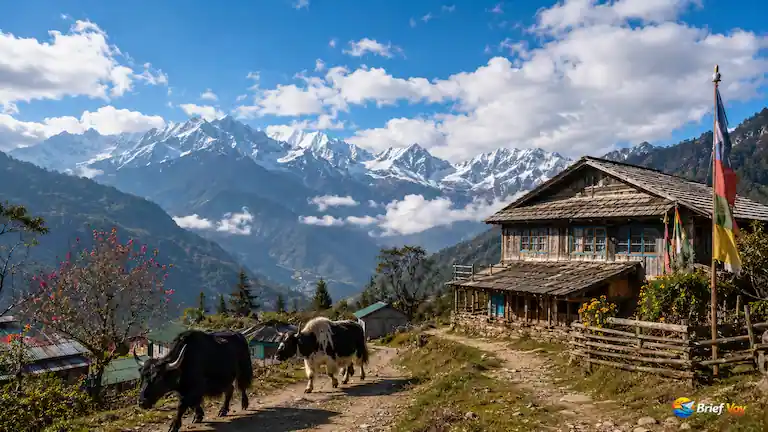
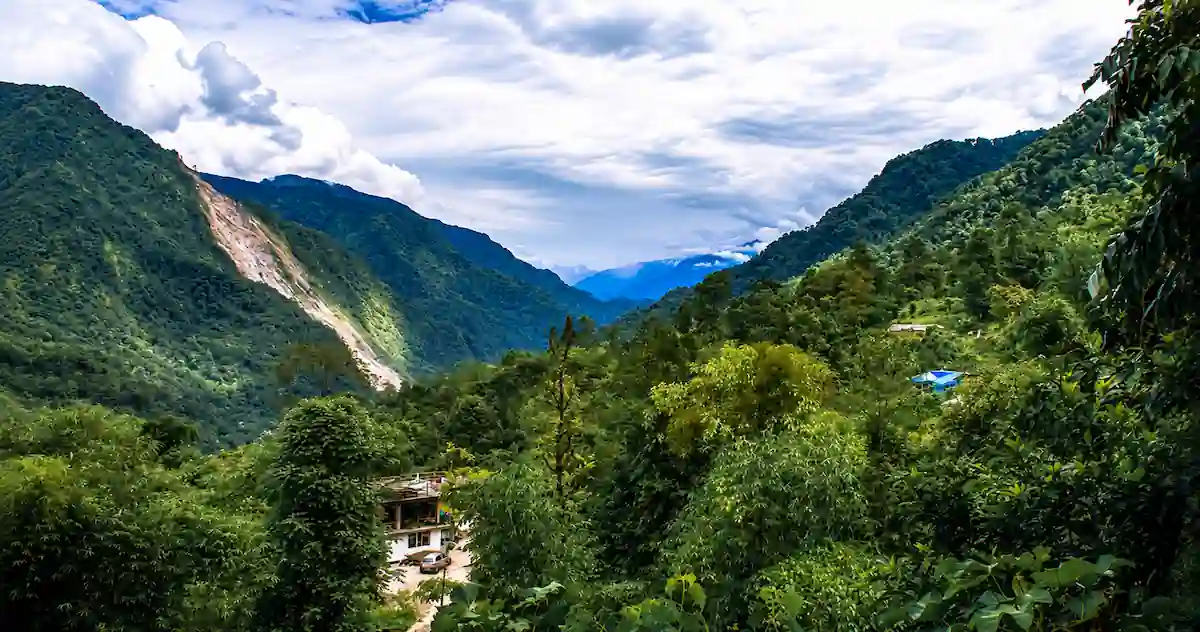
A few Octobers ago, while I was scouting for some of the most Offbeat Places in Sikkim, my vehicle’s radiator failed during a heavy monsoon downpour just outside Upper Dzongu. Three local farmers stopped their work and spent two hours in the mud helping me fix it. They completely refused to take a single rupee for their help.
You don’t find that kind of raw hospitality in the commercial hotel zones. Sikkim is still wild, quiet, and intensely hospitable—provided you get off the main tourist circuits.
Forget the boring travel agency packages. Here are 11 places where you can sleep in 100-year-old farmhouses, wake up to yaks on dirt roads, and actually hear the mountains. Below, I share the real road conditions, the exact heights to watch out for, the best homestays to book, and the hard truth about where your phone network will stop working.
I wrote this guide after actually traveling all over Sikkim. To get the best information, I talked directly to local families, taxi drivers, and villagers. I have compiled this information through firsthand experience, just as I do for all the locations featured in my full collection of destination guides.
All the rules, permits, and taxi prices are updated for 2026. You won’t find any boring travel agency talk here. This is just honest, real advice to help you plan a great trip.
You can use this quick table to map out your route depending on what kind of trip you are actually looking for:
| Destination | District | Altitude | Best For | The Vibe |
| 1. Dzongu | North | 3,000 – 20,000 ft | Local Culture | Protected Lepcha land; raw nature |
| 2. Zuluk | East | 9,400 ft | Adventure | 32 sharp road turns (Old Silk Route) |
| 3. Rolep | East | 4,000 ft | Relaxing | Quiet riverside stays, trout fishing |
| 4. Uttarey | West | 6,600 ft | Trekking | Border village; great starting hikes |
| 5. Darap | West | 5,500 ft | Village Life | Limboo tribal culture (near Pelling) |
| 6. Borong | South | 5,800 ft | Nature & Health | Natural hot springs and total quiet |
| 7. Biksthang | West | 4,100 ft | Heritage Stays | Massive views of the snowy peaks |
| 8. Barsey | West | 10,000 ft | Forest Walks | Spotting red pandas & spring flowers |
| 9. Rinchenpong | West | 5,500 ft | History & Views | The historic Poison Lake; old temples |
| 10. Chayatal | West | 6,000 ft | Solitude | Green lake tucked in cardamom fields |
| 11. Gnathang | East | 13,500 ft | Wild Landscapes | Cold, high plateau (looks like Ladakh) |
Hidden deep inside the protected Lepcha area in North Sikkim, Dzongu has its own strict rules. You don’t go here just to take photos of tourist spots. Instead, you walk across wobbly bamboo bridges, relax in warm hot springs, and listen to old stories while drinking a local grain drink called Chi. Big hotels are not allowed here. You’ll stay in local family homes, eat fresh farm food, and enjoy a slow, quiet life.
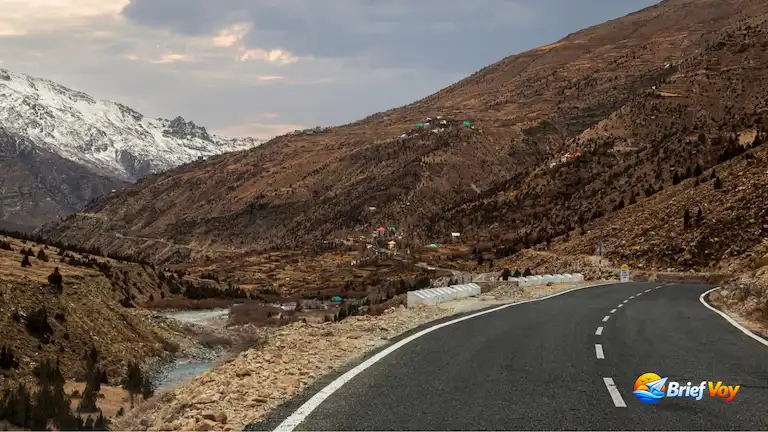
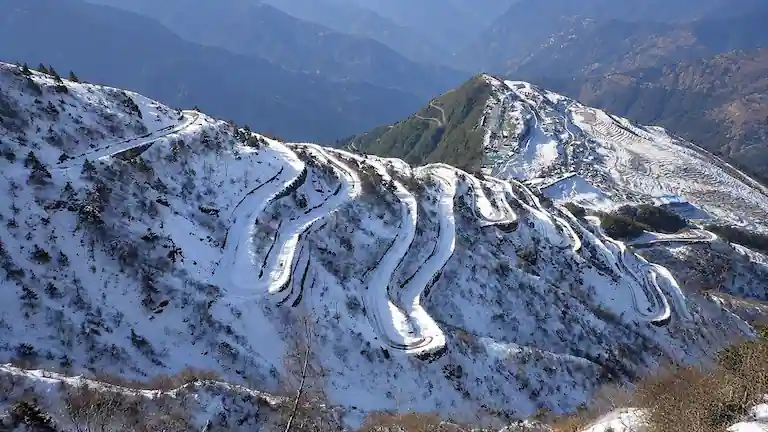
Zuluk is an important stop on the Old Silk Route, sitting very high up at 9,400 feet. A long time ago, it was a resting place for traders from Tibet. Today, it is famous for the scary 32 sharp turns of the Zuluk Loops. If you stand at the Thambi Viewpoint (11,200 feet), you look straight down a steep, twisting road. A quick warning: Don’t drive here after 2:30 PM. By 3:00 PM, thick, wet fog covers the road, and you can only see a few feet ahead. You have to look out the side window just to see the edge of the cliff.
Rather than chasing high-altitude mountain passes, travelers looking for a low-altitude logistical buffer often head to this sleepy valley near Rongli. Rolep is not a sight-seeing destination; it is a riparian basecamp. You come here to stay in wooden homestays positioned directly over the rushing Rangpo Chu river.
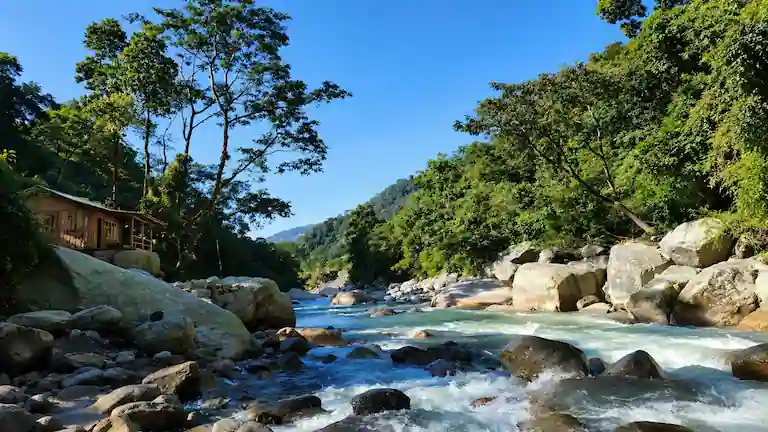
The village features a 40-foot wire suspension bridge and an overgrown path leading to a hidden meditation cave tucked into the forest cliffs. Instead of commercial activities, life here moves at the speed of the river. Guests spend their time scouting the riverbank for trout and learning traditional angling techniques from local villagers. Frying your own catch over a controlled wood-fire pit is the standard evening routine here. If you enjoy the quiet, riparian atmosphere of places like Rolep, you might also be interested in my exploration of the serene, off-the-beaten-path Subarna Island.
Uttarey is at the very end of the driving road near the Nepal border. It is the last stop before the deep western forests begin. It is the main starting point for long hikes in the Singalila mountains. Even if you don’t like long walks, the village is very quiet. It has an old monastery on a hill and a park for climbers with great views into Nepal.
Skip the crowded and noisy hotels in Pelling. Just 8 kilometers down the road, Darap is a quiet village where the local Limboo tribe lives. By staying here, you get the exact same huge mountain views as Pelling, but without the noise of tourist buses starting their engines at 5:00 AM. Small, hidden walking paths behind the village lead to caves and nice viewpoints. Visitors love sitting around a warm clay stove in the kitchen, learning how to cook local food like millet dumplings while sharing stories with the host family.
You can only reach Borong by driving through the thick trees of the Maenam Wildlife Sanctuary. This southern village trades phone signals for total peace. Borong is the best place for people who love watching birds and want complete silence. The main attraction is the Borong Tsachu—natural hot water springs right next to the river. People believe this warm water heals body pain. You can also visit a local factory where villagers make thick paper by hand from tree bark.
If you want history and comfort without the freezing cold of the north, Biksthang is perfect. Sitting at a nice, low height of 4,100 feet in West Sikkim, it is surrounded by orange trees and pine forests. The weather stays warm all year. The best part is the wide, clear view of the Kanchenjunga mountains and the old houses. Many homes here are 100 years old and belong to Sikkim’s old royal families. On winter mornings, you can pick sweet oranges right off the trees with the owners.
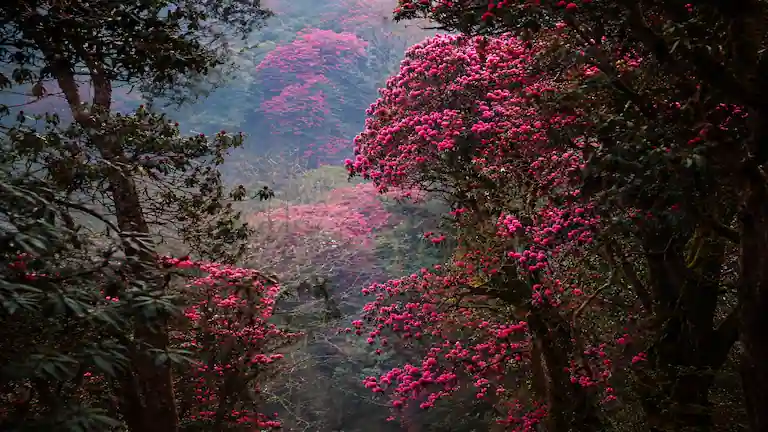
This protected forest area is full of plants and animals, and you don’t need to do a hard, multi-day hike to see it. While large crowds go to Yumthang in the north, West Sikkim’s Barsey forest fills with bright pink, red, and white flowers every April and May. According to official forest records, the Barsey Rhododendron Sanctuary forms a crucial part of the Khangchendzonga ecosystem. It is also a safe home for the rare, cute Red Panda.
These two towns in West Sikkim give you amazing mountain views without the crowds. In the 1800s, British soldiers tried to invade this area. Local tribes stopped them by poisoning the lake water with toxic plants. Today, it is very peaceful. You can walk through the deep woods to find the famous “Poison Lake” and visit the very old Rinchenpong temple. Sitting quietly inside the temple on top of the hill while the monks pray is deeply relaxing.
Just 50 minutes past Rinchenpong is Chayatal, a very quiet farming village. Built around a calm, green lake, this area only has a few homestays. This means you might be one of only ten tourists in the whole valley. You can walk the farm paths, listen to the bugs, and watch the fog roll over the water in total peace. A short walk takes you to a tall statue of Mahatma Srijunga, where you get a clear view of the deep valleys.
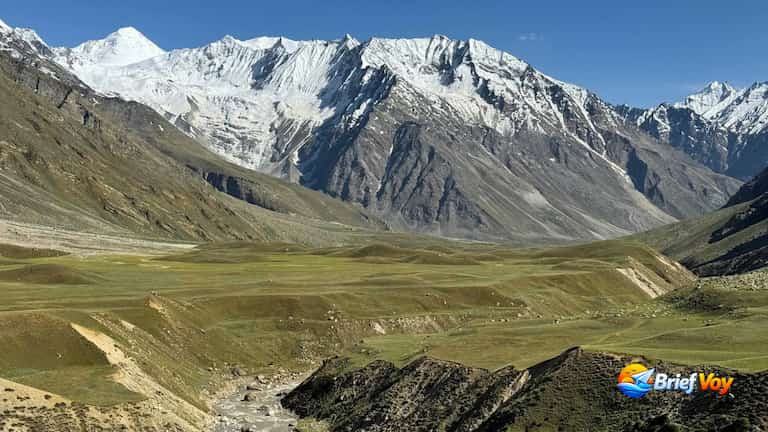
Sitting extremely high at 13,500 feet, this empty, treeless land is very harsh. Located on the far end of the Old Silk Route, Gnathang’s flat, windy ground looks more like Ladakh than Sikkim. It is buried in deep snow during winter, and the short grass turns bright gold in autumn. Because it is so high up and there are no city lights, the stars in the night sky are incredibly bright.
When traveling to these offbeat places in Sikkim, you first need to pass through the main transit spots in nearby West Bengal. If you want to break up your journey and explore the lower foothills along the way, check out our complete guide to the best offbeat places in North Bengal. Here is how you can plan your trip:
Picking the right month is very important. A road that looks great in November can be completely blocked by thick mud and rain in July.
| Destination | Best Months to Visit | Months to Absolutely Avoid |
| Dzongu | October to April (Sunny days, fresh oranges) | July to August (Heavy rain, blocked roads) |
| Zuluk | October to November (Clear views), April (Snow) | June to September (Thick fog, broken roads) |
| Rolep | September to January (Clean, clear river water) | July to August (Danger of river floods) |
| Uttarey | October to May (Good weather for long walks) | June to September (Slippery paths, leeches) |
| Darap | October to May (Nice, cool days) | July to August (Too much mud and rain) |
| Borong | October to March (Great for seeing birds) | June to August (Leeches on the walking paths) |
| Biksthang | Open all year round | July to August (Clouds hide the mountains) |
| Barsey | April to May (Beautiful spring flowers) | June to September (No flowers, slippery mud) |
| Rinchenpong | October to May (Clear views of the mountains) | June to August (Too much heavy rain) |
| Chayatal | October to May (Quiet and beautiful) | June to August (Too many leeches in the grass) |
| Gnathang | October to November, April (Lots of snow) | Dec to Feb (Ice blocks roads), June to Sept (Rain) |
Planning a trip to these hidden villages takes care. In the mountains, a short 50 km drive can easily take 3 hours because the roads twist and turn so much. Do not trust Google Maps for time—trust the real mountain roads!
If you are starting your journey from South Bengal, be sure to check my complete breakdown of the real Kolkata to Sikkim distance to choose the safest highway routes and train options before heading up into the hills. Here are two easy plans you can follow:
Here are two easy plans you can follow:
Pick this route for: Easy walks, local culture, and great views without the freezing cold.
Why choose this one? If you want high mountain roads, sharp turns, and lots of snow, this is for you.
To visit these hidden places in Sikkim, you must pass strict army checks. Sikkim shares borders with China, Nepal, and Bhutan. The rules changed a lot recently. If you follow old travel blogs, you will get stuck in Gangtok.
If you want to visit border areas like Dzongu, Zuluk, or Gnathang, you can no longer get a paper permit in one day. Sikkim now uses a strict, digital QR-code system for the Protected Area Permit (PAP). You can’t apply for this online by yourself, and you can’t do it at the last minute.
Visitors from other countries still need a basic Inner Line Permit (ILP) to enter Sikkim. You can get this paper stamped at the Rangpo or Melli border gates. But, it is very hard for foreigners to get a PAP for deep, hidden areas (like the Old Silk Route). Always ask your local guide if your route is open to foreigners before you buy your flight tickets.
Even with the new digital QR codes, the army gates in the high mountains still want real paper.
To save money, travel in shared jeeps. You can find them at jeep stands in Gangtok (like the Vajra or Deorali stands). If you’re heading to West Bengal next, this is where you map the Gangtok to Darjeeling distance and catch a shared Sumo. They only leave when all 10 seats are full. Try to reach the stand by 6:30 AM to get a seat before the local workers take them all.
Do not rely on phone payment apps (like UPI) or ATMs once you leave the big cities. Small villages like Rolep, Gnathang, and Dzongu have no internet for online payments. They also don’t have card machines. Bring plenty of paper cash from Gangtok before you travel high into the mountains.
Avoid these common mistakes to keep your trip stress-free:
While the mountains provide a unique kind of solitude, travelers who seek similar peace near the coastline often find that Talsari Sea Beach and the nearby Bichitrapur Mangrove Sanctuary offer the same ‘no-crowd’ experience that I always prioritize in my guides.
To help you plan your budget for these offbeat places in Sikkim, here is a simple look at current daily costs.
| Type of Expense | Budget Travel (Per Day) | Mid-Range Travel (Per Day) | Helpful Notes |
| Homestays | ₹1,200 – ₹1,500 | ₹2,500 – ₹4,000 | Budget places share a bathroom. Mid-range places give you a private room and hot water. |
| Shared Jeeps | ₹150 – ₹300 | Not Applicable | This is the cost for one seat between main towns. Shared jeeps do not drop you at the door of your homestay. |
| Private Taxis | Not Applicable | ₹3,500 – ₹5,500 | You need a private taxi to drive on high, twisting roads or go deep into protected areas like Dzongu. |
| Food | Included | Included | The best part! Almost all village homestays include all 3 meals in your room price. |
| Permits | Free (Official price) | ₹500 – ₹1,000 | The paper itself is free, but local agents charge a fee to do the hard paperwork for you. |
Do not plan to do office work from your laptop in these hidden villages. While the main city of Gangtok has fast internet, the hidden parts of Sikkim force you to put your phone away:
Packing for a cold mountain village is very different from packing for a normal city trip. The weather can change from hot to freezing in just two hours. Make sure you pack:
I did not just read about this on the internet. All the information in this guide comes from:
Save these numbers in your phone before you lose your network signal. It is very important to have these when traveling far away from big cities.
| Resource | Contact Number / Place | What It Is For |
| Sikkim Tourism Help | 03592-203960 / +91 7001204092 | For general questions and finding safe tour guides |
| Police & Emergency | 112 or 100 | Call this for any fast emergency (It works on all phones) |
| STNM Hospital (Gangtok) | +91 80018-03255 / 03592-202944 | The biggest, best hospital in the state |
| Tourist Info Center | At the Rangpo Checkpost | Help for tourists entering the state border |
| Mangan Government Office | Mangan Town | The place that gives out permits to enter Dzongu |
Getting off the beaten path takes a little more patience. You have to be willing to eat simple food and endure some bumpy roads. But the reward—standing totally alone on a mountain with the Himalayas stretched out in front of you in complete silence—is worth every single bump in the road. If you love the quiet, untouched nature of the Sikkim highlands but want to experience a similar level of seclusion by the coast, I highly recommend checking out my guide to the pristine and peaceful Henry Island.
Yes, but places like Dzongu need careful planning because the roads are bumpy and there are no big hospitals nearby. Always hire a safe local driver and bring a first-aid kit.
Regulations for the Zuluk Old Silk Route are very strict. Due to the proximity to international borders, permits for foreign nationals are frequently restricted or unavailable. It is essential to contact an authorized Sikkim tour operator to get the most recent update on permit eligibility for your specific nationality before you travel.
Gnathang is extremely high up (13,500 feet). The only way to stay safe is to spend a night at a lower place, like Zuluk, first to let your lungs adjust. Drink lots of water and ask your doctor for medicine before you travel.
No. Villages like Rolep, Dzongu, and Gnathang have very bad internet. The payment will fail. Take out plenty of cash in Gangtok or Jorethang before you go into the mountains.