Physical Address
Bankura, West Bengal 722142
Physical Address
Bankura, West Bengal 722142

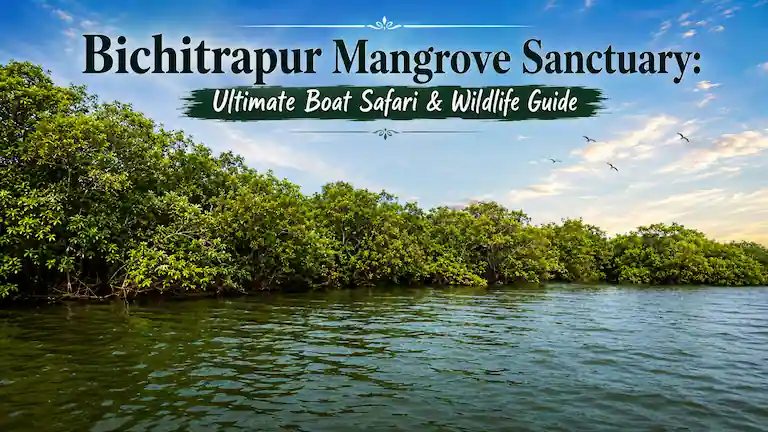
Bichitrapur is not a normal tourist spot. It is a quiet, wild forest called Bichitrapur Mangrove Sanctuary. It sits exactly where the trees meet the ocean. Here, a small river flows under thick green branches. The only sounds are your boat and birds catching fish in the mud. If you want to leave the loud city and find real peace, you should visit this place.
I wrote this guide after my own recent trip. Most tourists just follow the crowd to the busy beaches in Digha. But after I explored the coast, I found that Bichitrapur is a much better choice for a true nature trip. You can slow down, breathe fresh air, and watch the ocean tide change the view. Use my honest guide to plan your trip and explore the river safely.
| Feature | Details |
|---|---|
| Distance from Digha | ~15 km |
| Distance from Balasore | ~100 km |
| Nearest Airport | Bhubaneswar (290 km) |
| Nearest Train Station | Jaleswar Railway Station (~45 km) |
| Small Boat (6 Seats) | ₹1,200 total |
| Large Boat (9 Seats) | ₹1,800 total |
| Boat Timings | 8:00 AM to 5:00 PM |
| Official Booking | Book via Ecotour Odisha (ecotourodisha.com) |
| Best Months | October to March |
This sanctuary covers 170 hectares. It is not just normal trees. The forest grows straight out of the saltwater. You will find special coastal plants here, like the White Mangrove, tall Hogla reeds, and the rare Tiger Fern. Plant lovers travel here just to see it.
The Subarnarekha River meets the ocean here, so the mud is full of life. Look down from your boat at the muddy banks. You will see thousands of tiny Red Ghost Crabs running around. You will also spot Mudskippers. These are strange little fish that walk right on the mud. If you get lucky, you might see a hard Horseshoe crab on the shore, or Olive Ridley Turtles swimming nearby.
Winter is the best time to watch birds. The tree branches are full of them. Keep your camera ready. You can see Pond herons, egrets, terns, and bright kingfishers hunting for fish. Want to see an even bigger mangrove forest next? Read our guide to Bhitarkanika National Park to see giant saltwater crocodiles.
Based on my time exploring the Balasore district in Odisha, I can tell you that Bichitrapur is a protected forest by the sea. It sits exactly where the Subarnarekha River meets the ocean.
You will not find loud tourist crowds here. It is a very quiet, green place where nature is kept safe. The thick trees are very important for the local villages because they act like a strong wall to block heavy ocean storms. Also, the daily ocean tides wash fresh food into the river, which keeps all the fish and sea animals very healthy.
When I visited, I saw how perfectly nature works together. This park protects special trees called mangroves. It sits exactly where the river meets the ocean. Fresh water and salty water mix here all day. This mixed water makes a very safe home for baby fish and tiny crabs.
As your boat passes the muddy banks, look closely at the trees. You will see twisted roots sticking right out of the mud. These roots are amazing. They filter the salt out of the water so the tree can live. Seeing how nature survives is the best part of the trip.
Before you pack your bags, you need to know the actual ground reality. This is a wild forest, not a city park.
You need the right season and the right time of day for a good boat trip. Here is what I learned out on the river.
The Best Time of Day: No matter the month, always go early in the morning (between 8:00 AM and 11:00 AM). The morning light gives you great photos, the birds are active, and you will not get stuck in the mud at low tide.
Going to this hidden place is easy. The boat rides inside Bichitrapur Mangrove Sanctuary start at a place called the Khadibili boat gate.
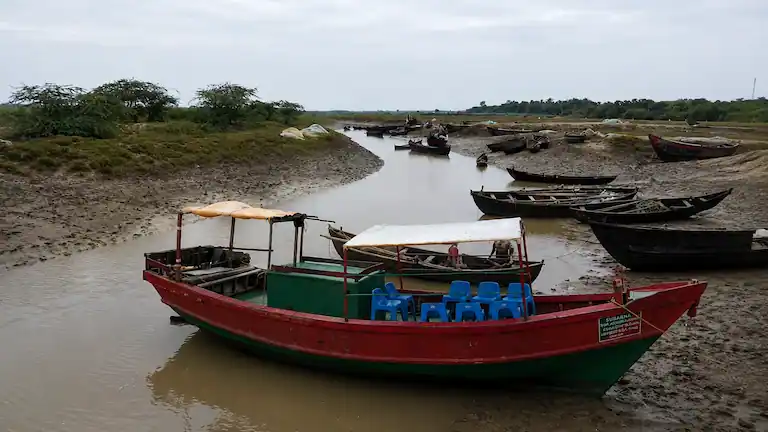
Most people travel from Kolkata. Based on my trip, here are the two easiest ways to go:
Driving from Balasore is a 100 km trip. But if you are in Digha, it is very close—only 15 km. A car or auto ride from Digha takes just 40 minutes.
During my visit, the best way to travel from Digha to the boats was by local auto or taxi. A private taxi costs ₹500 to ₹800 for one way.
To save money, travel like a local. Take a shared auto toward Jaleswar and get off at Chandaneswar. Next, take another auto straight to the park. I used this cheap route, and it only cost ₹100 to ₹200 per person.
Even though the park is out in the wild, you have a few very different choices for a place to sleep.
If you are coming just for the boat trip, booking a room at the official Nature Camp is a great idea. It puts you right next to the boat dock. The camp is run by Odisha Eco Tourism.
Digha town gives you the most choices and is only 15 kilometers away. You will find hundreds of hotels, working ATMs, and busy night markets. It is perfect if you want to spend your morning in the quiet forest, but come back to a lively town with lots of restaurant options at night.
Talsari is just a few kilometers away from the park. It is much more peaceful than Digha. Private guest houses here usually cost between ₹1,500 and ₹5,000 a night.
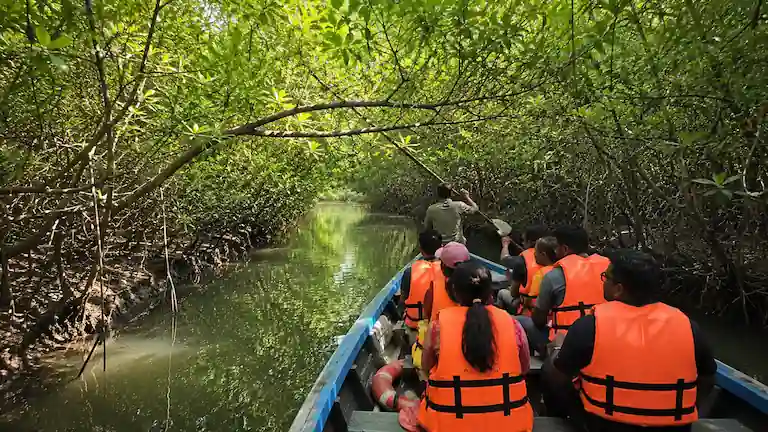
You cannot skip the boat ride—it is the main reason to visit Bichitrapur Mangrove Sanctuary. You will get on a wooden motorboat and head right into the dense forest. In many spots, the branches grow so close together that they block the sun and make natural green tunnels over the water.
If the water is high enough, the boat will drop you off at Subarna Island. This is a totally empty, clean sandbar right where the river meets the ocean. You can stand on the beach with the quiet river on one side and big ocean waves on the other.
Look down at the wet mud to see the crabs running around. During winter, making it a paradise for bird watchers.
The biggest mistake travelers make is ignoring the ocean tide.
The boats do not run on a normal clock. They run on the tide. If you arrive during “low tide,” the water drains out of the river, leaving the boats completely stuck in thick mud. You will not be able to take a ride until the water comes back, which can take 3 to 4 hours.
How to avoid getting stuck:
This place is more than just a pretty forest. For hundreds of years, the local village families have lived their lives based on the ocean tides.
Local fishermen have spent generations teaching their kids how to survive in the mangroves. They catch fish the exact same way their grandfathers did, using small nets that do not harm the river. Take a few minutes to walk near the boat gate and watch the fishermen work. Chatting with the locals is what makes this trip feel real and special.
If you have extra time, you should check out these spots. I drove to these places during my trip, and they are just a short drive down the road:
Bichitrapur gives you a real look at the wild and clean parts of Odisha. Based on my own visit, leaving the busy tourist crowds to find a quiet place like this is completely worth the effort.
You will take great photos, but the best part is going home feeling very relaxed. Whether you travel alone or with family, the quiet river helps you slow down. It reminds you how nice it is to just be outside in nature. For more honest, field-tested travel guides, you can explore the rest of our destination articles.
Author’s Tip: I asked these exact questions to the local forest guards during my trip. Here are the real answers to help you plan.
No, it is free to walk near the forest. You only pay if you take the boat ride. A small 6-seat boat costs ₹1,200, and a large 9-seat boat costs ₹1,800. When I visited, I paid the staff in cash right at the Khadibili boat gate.
It is best to skip July and August. The heavy rain makes the river very deep and rough. The forest guards told me they close the boat rides during this time to keep everyone safe.
Yes, it is very safe! I saw many families having fun watching the red crabs on my trip. Just keep a close eye on your kids when stepping onto the boat, and make sure they wear the life jackets given to you at the dock.
If you are just visiting for the day, your boat ticket is all you need. But, if you sleep overnight at the Nature Camp, you must bring a printed copy of your booking and your original government ID card (like your Aadhaar or Voter ID). Keep your ID in your pocket on the boat, because the forest guards do check them!
A Note from My Trip: I visited the Khadibili boat gate myself in May 2026. Many travel guides just copy information from the internet, but I am sharing the real facts. In this guide, I tell you the true water tide times and the exact prices I paid during my own visit.