Physical Address
Bankura, West Bengal 722142
Physical Address
Bankura, West Bengal 722142

Many travel websites get it completely wrong when it comes to Hukitola Island. Some blogs claim you can go swimming or see coral reefs there. Others tell you to catch a boat from Chandipur Beach—even though that is over 150 kilometers away! To make sure you stay safe and get the facts straight, I gathered the true details using real government rules, local records, and recent travel logs from May 2026.
The truth is, Hukitola is just an empty patch of river mud and sand hidden deep inside the Mahanadi river delta. You will not find any roads, hotels, or coral reefs here. If you want to see the old British building from the 1800s, you have to do some real planning. That means checking the daily tides, finding a local fishing boat, and picking up an official pass from the Odisha Forest Department.
Let’s look at the actual boat routes, the history, and the exact steps you need to take to get out there and back safely.
| Feature | Details |
| Hukitola Coordinates | 20°24’14″N 86°47’27″E [Insert Map Embed Here] |
| Primary Boat Dock | Jamboo Jetty |
| Estimated Boat Cost | ₹3,000 – ₹5,000 (Based on standard local rates logged in May 2026) |
| Travel Time (Water) | 1 to 1.5 hours each way |
| Entry Permits | Mandatory. The Odisha Forest Department requires all visitors to hold a valid day-pass. |
| Protected Status | Governed by Odisha Forest Department & State Archaeology |
| Best Time to Visit | October to March (During high tide) |
Hukitola is in the Kendrapara district of Odisha. It is a flat island right where the Mahanadi River meets the Bay of Bengal. Nobody lives there. It is completely covered in thick mangrove trees and wet mud.
The water around the island is a mix of fresh river water and salty ocean water. The thick trees on the shore act like a strong wall to protect the land from heavy storms. The river water moves very fast here. Because of this, local guides warn everyone to stay safely inside the boat until you reach the dock.
You cannot drive to Hukitola Island. The only way to get there is by water. Simply rent a local wooden fishing boat. Locals call this boat a desi danga.
Your trip starts in Kendrapara town. If you come from outside Odisha, use these travel hubs:
From Kendrapara, you can choose between two boat docks.
Jamboo village is a busy fishing spot. It is about 50 kilometers east of Kendrapara town. Take the road through Mahakalapara. Drive until the road ends at the Jamboo River.
At the dock, talk to the fishermen to agree on a price. In May 2026, a round trip cost about ₹3,500. This price changes based on boat size and fuel costs. If you leave Jamboo at 9:10 AM, you will reach Hukitola by 10:15 AM. The boat rides through narrow water paths under thick green trees. Then, it opens into a huge bay.
Your other choice is Kharinasi village. This dock is right across the water from Batighar village. You can easily see the famous False Point Lighthouse from here.
The river views are amazing, but finding a passenger boat is hard. Almost all boats here are for daily fishing only. Honestly, using the Jamboo dock is much easier. Only use Kharinasi if you already booked a special tour to see the lighthouse and the island on the same day.
You cannot sleep on Hukitola Island. The Forest Department bans all camping to protect the wild animals, so you must leave before dark. There are zero resorts here. If a website tries to sell you a “Hukitola Resort” room, it is a trick. Those hotels are actually far away on the mainland.
For a clean room, good food, and cold AC, stay in Kendrapara town. Places like Binayak Palace Premium have safe, modern rooms. In the morning, it is an easy 45-minute drive from the town to the Jamboo boat dock.
If you want to stay in nature, look near the Bhitarkanika forest just to the north. Spots like Jungle Avengers Resort or KanikaSundari Homestay offer simple wooden cabins right next to the river on the mainland.
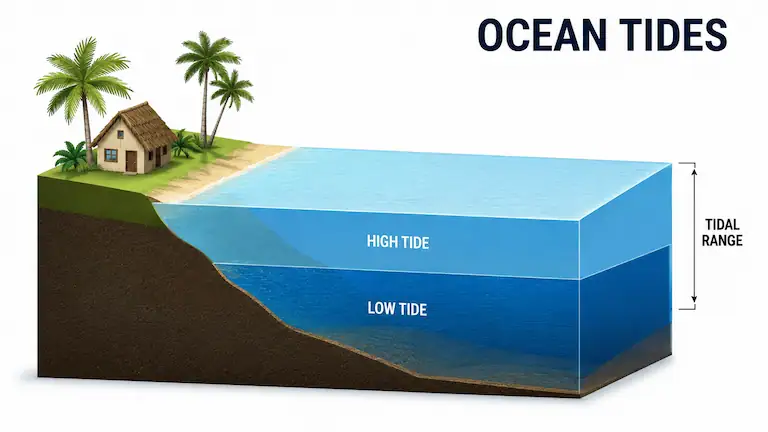
Hukitola is just a mud island, so the water levels change completely with the daily ocean tides.
During low tide, the river water drops and leaves behind miles of thick, sticky mud. If your boat leaves at the wrong time, you will get stuck in the mud for hours waiting for the ocean water to return. Always check a local tide chart before your trip, and make sure your boat driver confirms the exact timing. You must travel during high tide to reach the island and get back safely.
Hukitola is a highly protected nature zone. Under the Mahakalapara Forest Range rules, you must get an official entry pass before you visit. This keeps the wild animals safe.
Here is exactly what you need to do to get your pass:
This process is completely normal for protected Indian beaches. By the way, if you love quiet, historic places like this, check out my guide to Bakkhali Sea Beach for similar hidden spots in West Bengal.
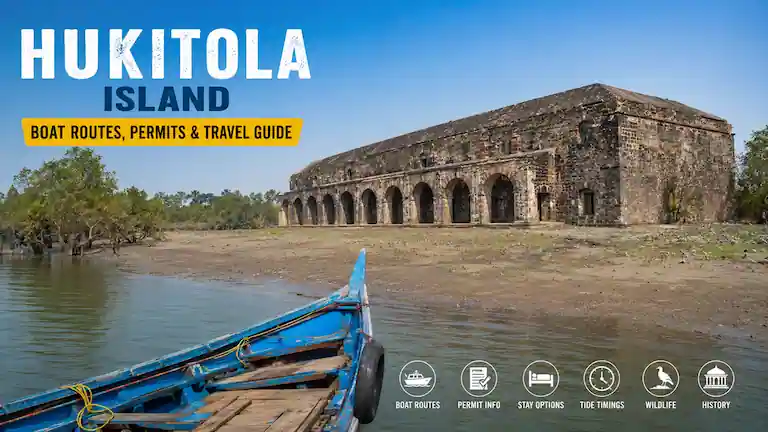
The main thing to see on the island is a huge British storehouse built between 1866 and 1867. It is not a fort or a royal palace. It is a giant warehouse built because of a terrible tragedy.
In 1866, a severe drought caused the Great Orissa Famine. Thousands of people in the area died because there was simply no food. According to the Kendrapara District Gazetteer and local history archives, a British leader named John Walker wanted to fix this. He ordered a massive emergency food storage building to be built on this empty island. The locals started calling the area “Hokkey Tolha” after him, which eventually turned into the name Hukitola.
Back then, huge ocean ships brought rice all the way from Burma. But those big ships could not fit into the shallow river. So, smaller boats would go out, pick up the rice, and keep it safe in this warehouse until they could transport it to the mainland.
This building is huge. It covers 7,000 square feet. Odisha State Archaeology reports show the builders took stones from the ruined Barabati Fort in Cuttack. They loaded these heavy stones onto boats and floated them over a hundred miles down the river to the island.
The walls are over three feet thick to block heavy storm winds. Inside, there are six large rooms. The front of the building has nine big stone arches. This made it easy for workers to unload many food boats at the exact same time.
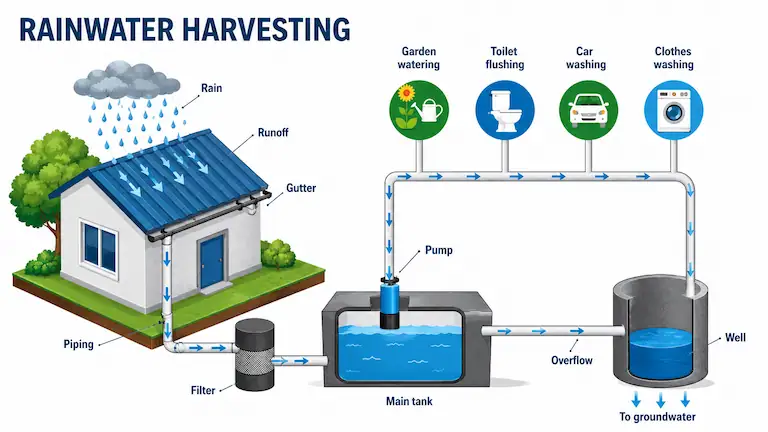
Because salt water surrounds the island, there is zero natural drinking water. The British builders fixed this by making a slanted roof to catch heavy rain. The rainwater washed down hidden pipes and went straight into two huge, 12-foot-deep underground tanks. They sealed these tanks tight so no salty ground water could leak in. This smart system gave the workers plenty of fresh, clean drinking water.
Because it is out in the open ocean, the weather decides when you can visit safely.
To make the most of your day, arrive at the Jamboo dock early in the morning. This gives you time to finish your paperwork at the office and agree on a boat price. The morning sunlight is also the best time for taking bright, clear photos of the stone arches and the local wildlife. You must leave the island and head back to the mainland before sunset to follow the forest rules.
Since nobody lives on Hukitola, there are no shops or toilets. Pack everything you need:
You can see this working 19th-century British lighthouse across the water from the Kharinasi dock. Historical archives show that hundreds of years ago, local kings used these exact waters to hunt.
The boat ride is like a free nature tour. In the winter, the muddy riverbanks are full of traveling birds looking for a meal. For a similar experience, you should also check out my guide to the Bichitrapur Mangrove Sanctuary, which has a great boat safari.
Down in the mud near the water, you might see the Indian horseshoe crab (Tachypleus gigas). To discover more about these rare creatures, you can read my full guide to Subarna Island to learn about their ancient habits. You can also spot mudskippers (Periophthalmus) here, which are funny little fish that look like they are walking on the mud.
Wildlife Note: According to the local wildlife department, saltwater crocodiles (Crocodylus porosus) live in the rivers around this area. To stay safe, keep your hands inside the boat and do not stand up until the driver tells you it is safe.
If you love ocean animals, you can also visit Gahirmatha Beach further up the coast. It is a famous place where Olive Ridley sea turtles (Lepidochelys olivacea) lay their eggs. You will need a forest pass from the government to visit there, too. However, if you are looking for a nearby, wild shoreline that you can actually drive directly to, check out the ground reality of Pentha Sea Beach.
If you want to visit another quiet spot along the state border after your trip, my guide to Talsari Sea Beach shows you exactly how to find Odisha’s famous red crab coast.
Hukitola is not your typical vacation spot. You will not find any food stalls or paved walking paths here. This island is strictly for people who want to see real history—a massive stone warehouse from 1867 hidden deep in a quiet forest.
Just remember to bring your physical ID cards, double-check those local tide charts, and treat the ruins with respect. If you do, you will get to safely explore one of the most amazing hidden monuments in all of Odisha.
No. Forest rules under the Wildlife Protection Act do not allow anyone to sleep on the island. You must rent a room on the mainland, like in Kendrapara town, and leave the island before the sun goes down.
Based on traveler reports from May 2026, renting a boat costs between ₹3,000 and ₹5,000. This price changes based on fuel costs and how big the wooden boat is. Always agree on the final price before the boat leaves the dock.
No, swimming is not safe. The river water moves very fast, and local wildlife reports state that saltwater crocodiles live in the nearby mudbanks.
Try to arrive at the Jamboo dock by 8:00 AM. Since the local Forest Office starts helping people around 7:30 AM, visiting the office first gives you plenty of time to rent your boat and enjoy the morning high tide.
As a digital creator and travel writer, I explore old buildings and coastal forests along the Odisha and West Bengal border. I use real travel logs, local government records, and history books to write honest, simple Destination Guides for independent explorers here on briefvoy.com.